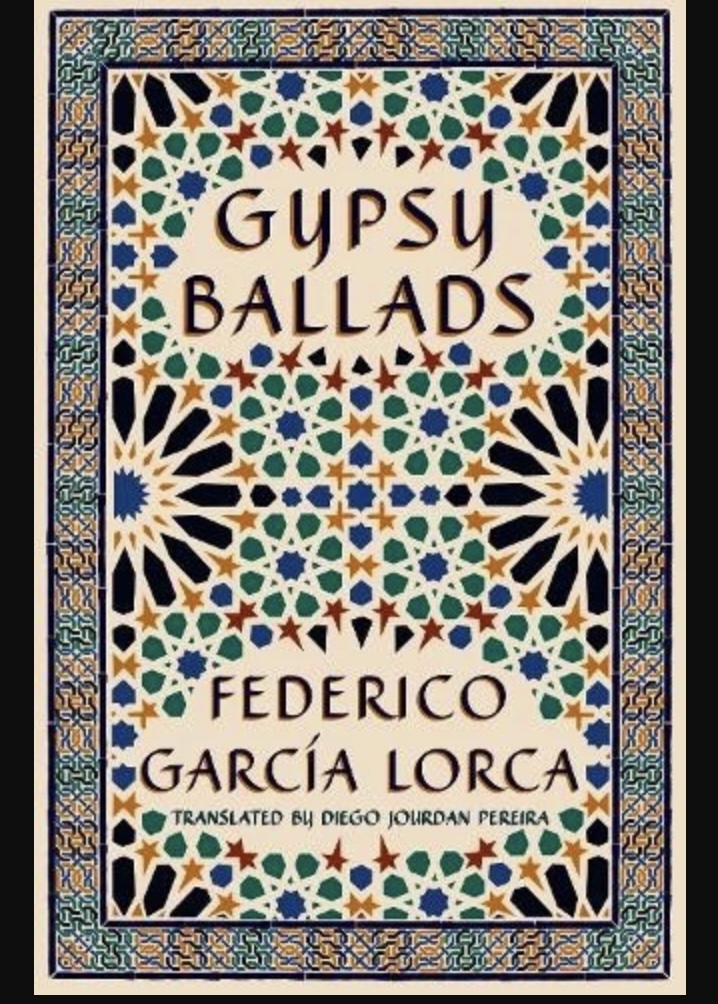
Gypsy Ballads by Federico García Lorca
Poetry often gets a bad reputation for being dusty, academic, or disconnected from real life. Federico García Lorca’s Gypsy Ballads (originally titled Romancero Gitano, published in 1928) shatters that reputation completely. This collection is vibrant, violent, sensual, and pulsing with the hot blood of Andalusia.
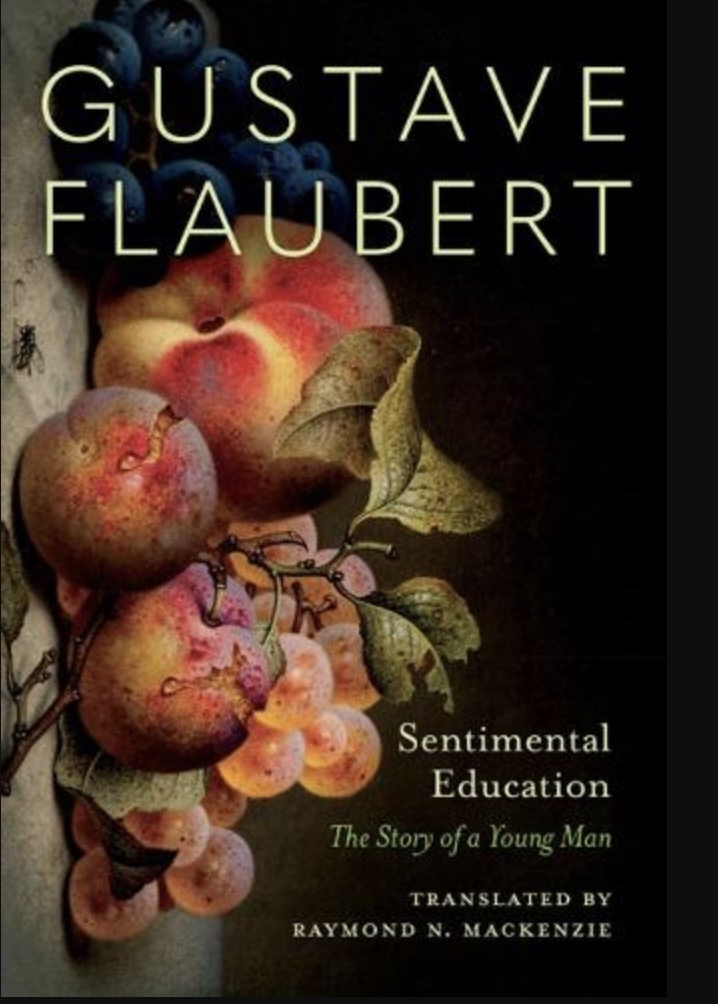
Sentimental Education by Gustave Flaubert
If Madame Bovary is a tragedy about the fatal collision of dreams and reality, Sentimental Education is a slow-burn study of how dreams just sort of... fade away. Published in 1869, this is Gustave Flaubert’s most ambitious work, often cited by critics as one of the greatest novels ever written, even if it initially baffled readers.

Madame Bovary by Gustave Flaubert
Before there was Desperate Housewives or Sex and the City, there was Emma Bovary. Published in 1856, Madame Bovary is the novel that effectively invented modern realism. It caused a massive scandal upon release—Flaubert was literally put on trial for obscenity—because it dared to treat adultery not as a moral failing to be preached against, but as a symptom of a bored, unsatisfied life.
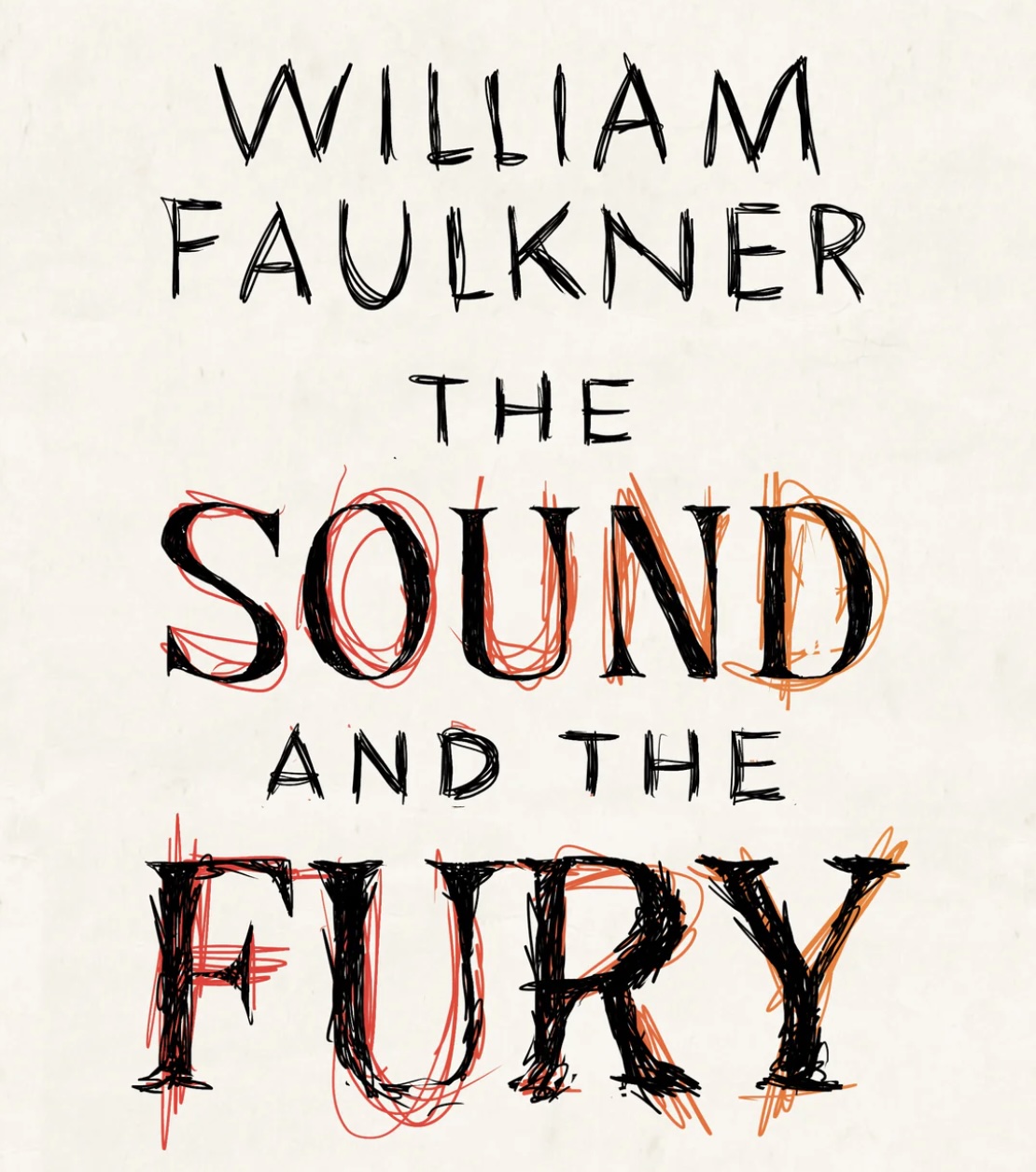
The Sound and the Fury by William Faulkner
If Absalom, Absalom! is the mountain, The Sound and the Fury is the dense, fog-covered forest at its base. Published in 1929, this novel is widely considered one of the greatest works of American literature—and arguably the most challenging.
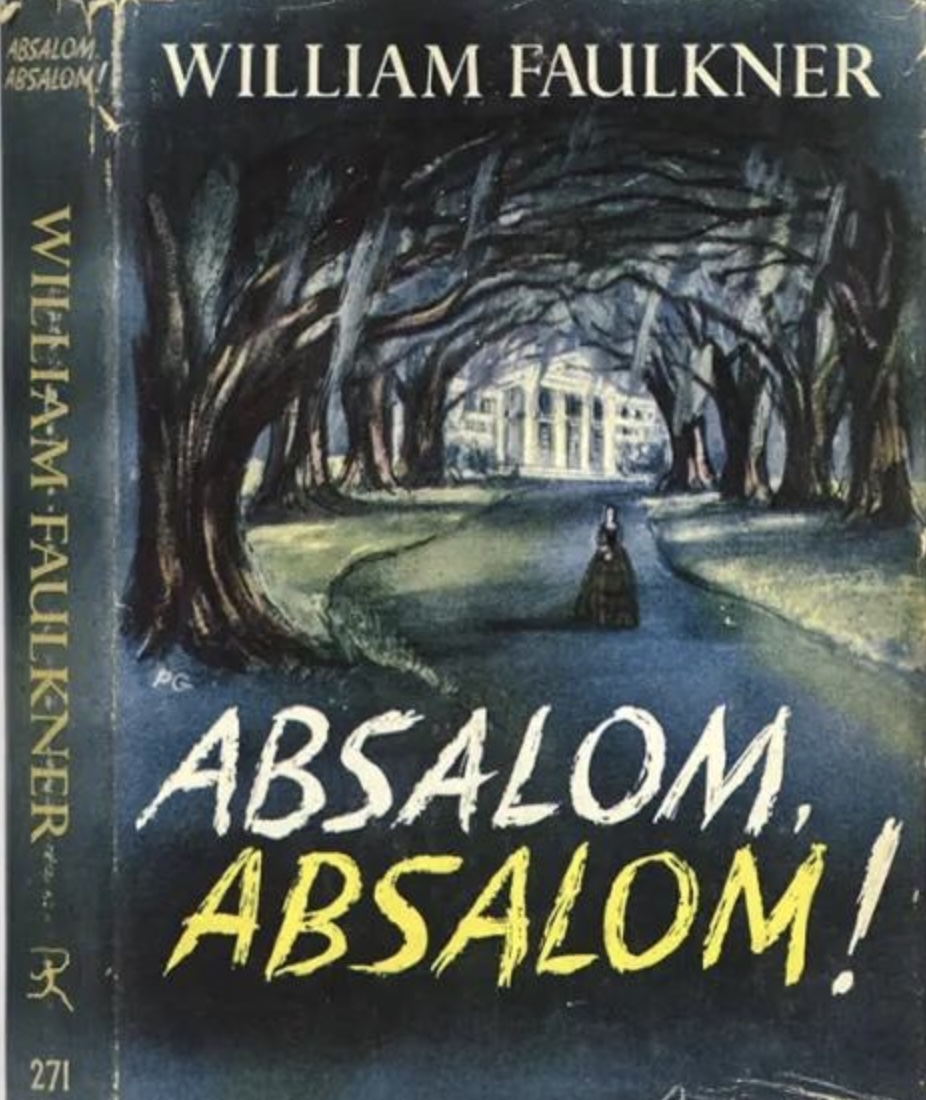
Absalom, Absalom! by William Faulkner
If you are looking for a light beach read, keep walking. But if you want a book that will rewire your brain, challenge your perception of truth, and haunt you long after you turn the final page, welcome to Absalom, Absalom!.
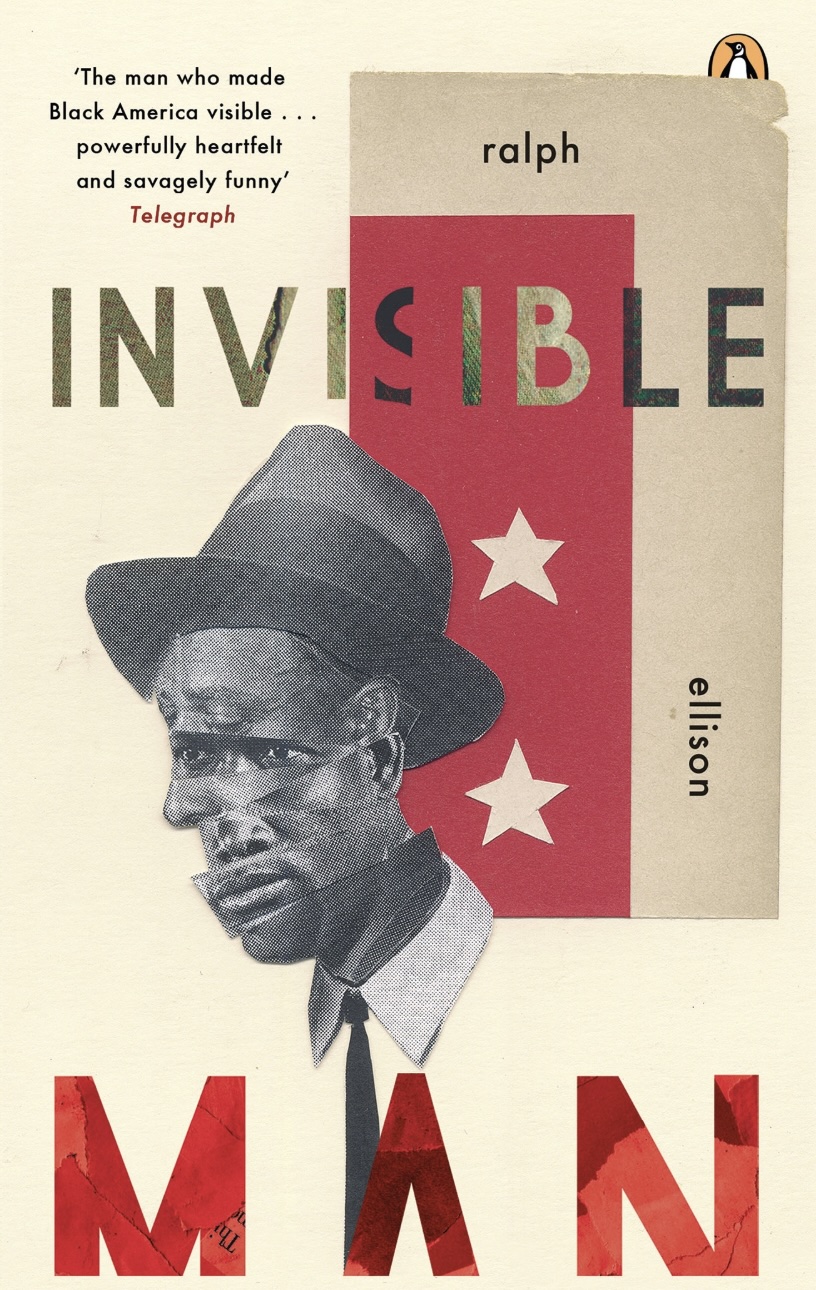
Invisible Man by Ralph Ellison
"I am an invisible man." With that simple, shattering declaration, Ralph Ellison opened his 1952 monumental debut, Invisible Man, and fundamentally reshaped the landscape of American letters. This novel is the sprawling, satirical, and profound journey of an unnamed young Black man from the Jim Crow South to the dynamic, deceptive streets of 1930s Harlem, chronicling his realization that the greatest obstacle he faces isn't outright hatred, but the willful blindness of the white world.

The Brothers Karamazov by Fyodor Dostoevsky
Welcome to the family from hell. Fyodor Dostoevsky's final and most monumental novel, The Brothers Karamazov (1880), is a towering achievement of world literature. It is simultaneously a gripping murder mystery, a passionate love story, a blistering courtroom drama, and the deepest philosophical inquiry into the nature of faith, doubt, and freedom ever written in novel form.
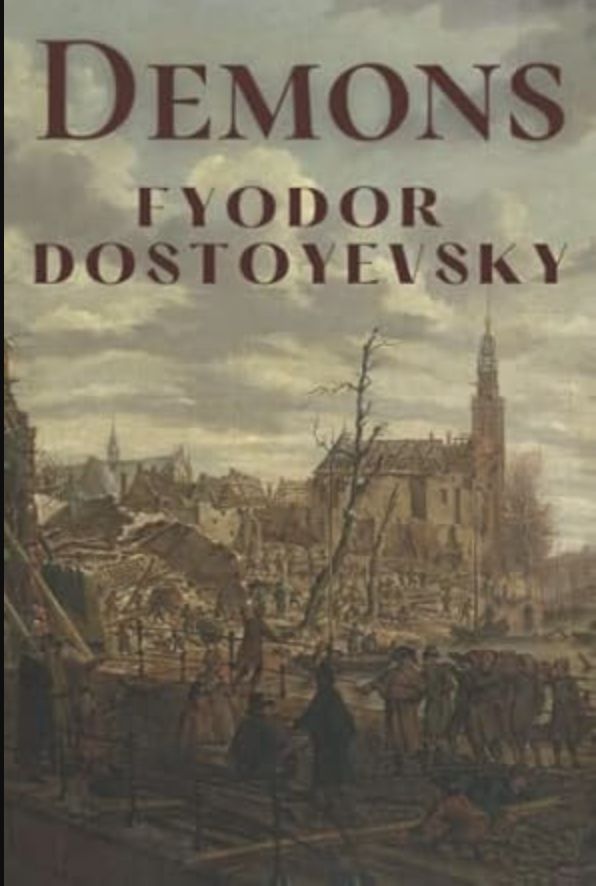
Demons (The Possessed) by Fyodor Dostoevsky
Welcome to the darkest, most prophetic corner of Dostoevsky's mind. Demons (1872), also published as The Possessed, is more than a novel; it is a furious, searing political and spiritual critique and a terrifyingly accurate prediction of 20th-century totalitarianism. Set in a provincial Russian town, the book chronicles the infiltration and self-destruction of a small cell of radical, nihilistic revolutionaries.

The Idiot by Fyodor Dostoevsky
If Crime and Punishment asks whether a great man has the right to murder, Dostoevsky's 1869 follow-up, The Idiot, asks a far more terrifying question: Can absolute goodness survive in a fallen world?

Crime and Punishment by Fyodor Dostoevsky
Prepare to descend into the feverish, claustrophobic mind of a killer. Fyodor Dostoevsky's 1866 masterpiece, Crime and Punishment, is not just a gripping psychological thriller; it is arguably the greatest literary exploration of guilt, morality, and redemption ever written. Set in the grimy tenements and taverns of 19th-century St. Petersburg, the novel follows a young, destitute student who commits a terrible murder, not for profit, but for a twisted philosophical idea.
Explore by Category
Find articles that interest you
Challenge Your Mind
Take a break from reading and test your logic skills with our daily puzzle!
Can you solve today's puzzle? Test your deductive skills!
Daily Number Path
Find the only valid path through a 4×4 grid. Quick daily brain teaser!
Can you solve today's number puzzle? Follow the +1/-1 rule!
Explore where technology meets intellect. From technical tutorials to intellectual exploration—stay curious and inspired.
About Our Blog
Explore where technology meets intellect. From technical tutorials to intellectual exploration—stay curious and inspired.
Stay Curious. Stay Inspired.
Join our community of thinkers, developers, and lifelong learners. Explore ideas that challenge, inspire, and empower you to think differently.



Ⓒ 2026. All rights reserved by atomic