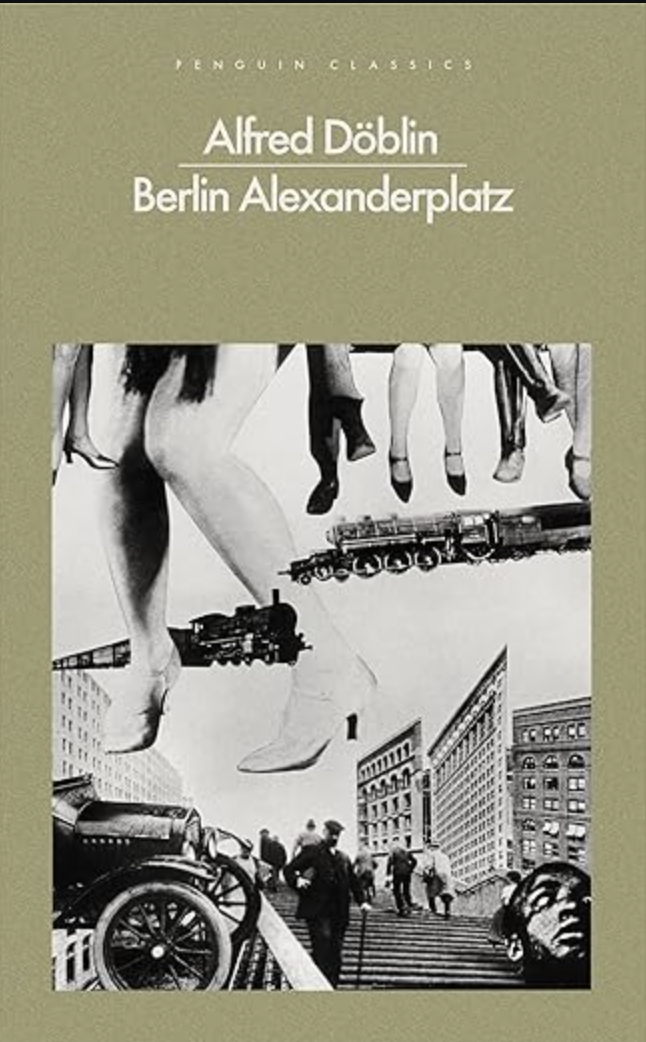
Berlin Alexanderplatz by Alfred Döblin
Step onto the pulsating, chaotic pavement of Weimar-era Berlin. This isn't just a novel; it's a cacophonous, electrifying experience. Alfred Döblin’s 1929 masterwork, Berlin Alexanderplatz: The Story of Franz Biberkopf, is a literary earthquake that forever changed the landscape of the modern novel. It tells the story of an ex-convict trying to "go straight," but its true genius lies in its revolutionary form.
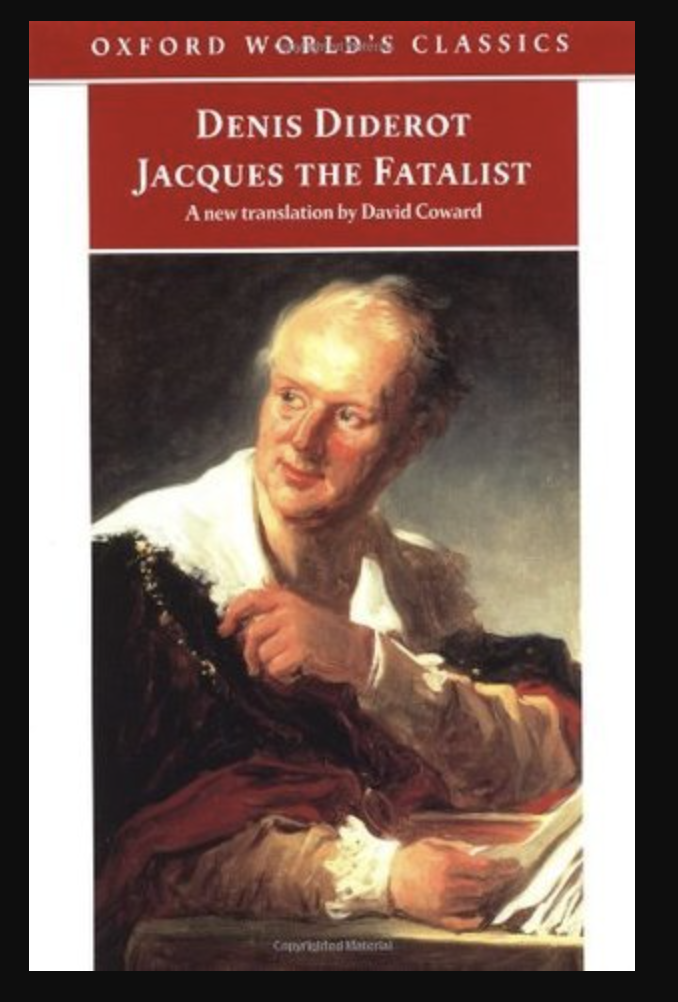
Jacques the Fatalist by Denis Diderot
We continue our literary expedition with one of the most intellectually playful and formally challenging books ever written: Jacques the Fatalist and His Master (written c. 1773, published 1796) by Denis Diderot. This book is not a straightforward novel; it is a dizzying, hilarious, and philosophical conversation that constantly breaks the fourth wall, interrupting its own narrative to question the very nature of storytelling and destiny.
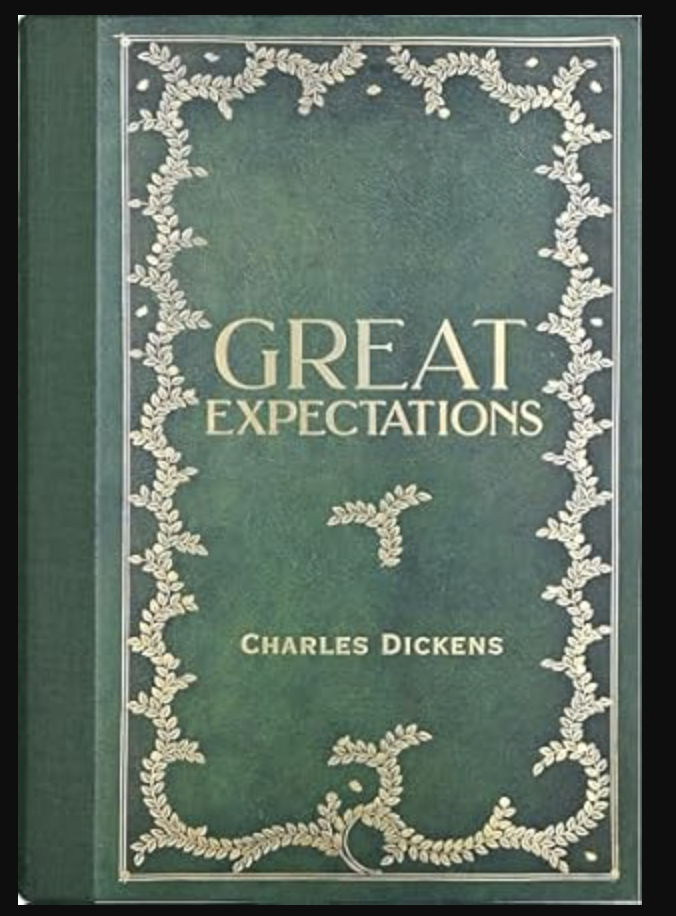
Great Expectations by Charles Dickens
Stepping into the world of Charles Dickens means entering a vibrant, often harsh, yet deeply human version of 19th-century England. Among his greatest works, Great Expectations (1861) stands out as a masterpiece of personal growth, social commentary, and psychological depth. It is the story of Pip (Philip Pirrip), a poor orphan whose life is suddenly and mysteriously transformed by a secret benefactor, leading him to abandon his humble origins for the glittering, often cruel, promise of the London elite.
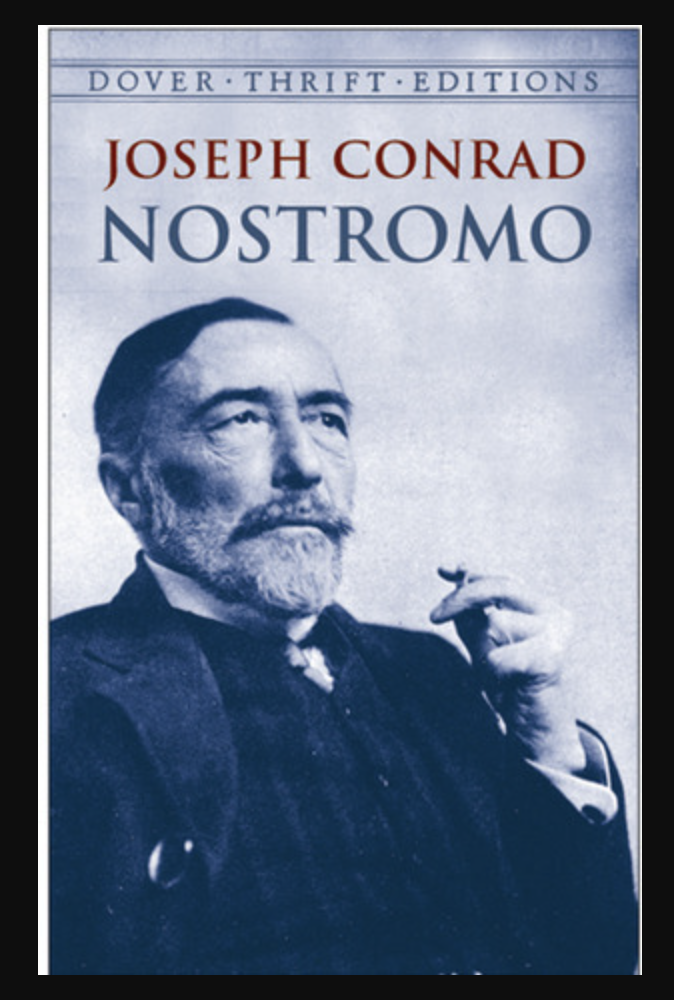
Nostromo by Joseph Conrad
In the vast landscape of classic literature, Joseph Conrad's Nostromo: A Tale of the Seaboard (1904) stands as a towering, complex, and profound achievement. This novel is not a light adventure tale, but a dense, meticulously constructed examination of politics, capitalism, and corruption set in the fictional South American republic of Costaguana, specifically the Occidental Province of Sulaco.
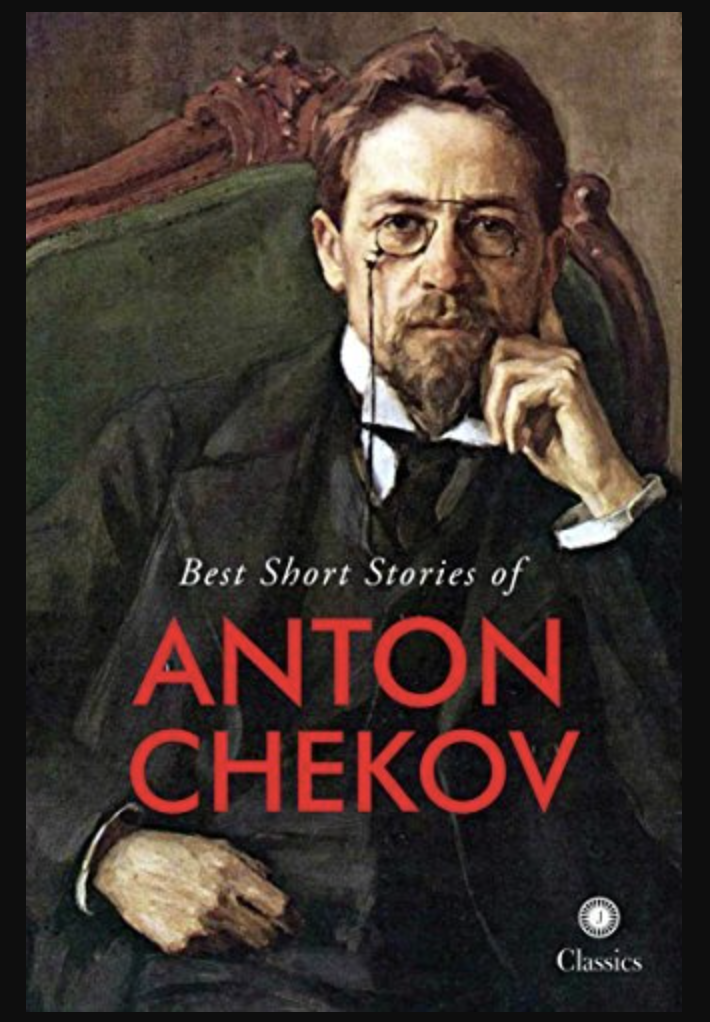
The Stories of Anton Chekhov
For the next installment in our "100 Books You Must Read" series, we turn our attention to the delicate, profound, and often melancholic world of Anton Chekhov's short stories. Chekhov (1860–1904) is arguably the master of the modern short story and a foundational figure in modern drama.
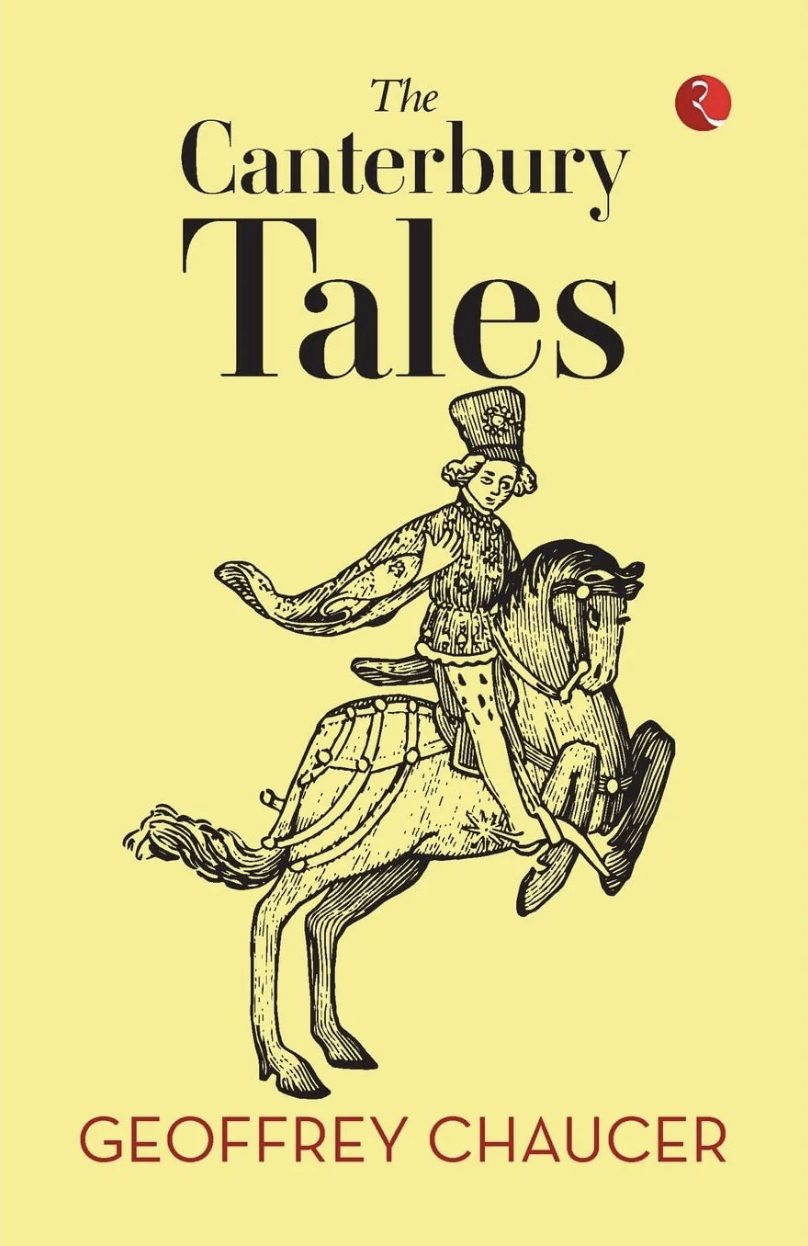
The Canterbury Tales by Geoffrey Chaucer
Welcome to the "100 Books You Must Read" series! We kick off our journey not on a modern highway, but on a dusty road in 14th-century England. Geoffrey Chaucer's The Canterbury Tales is one of the most significant works in English literature. It’s an unfinished collection of stories told by a group of pilgrims traveling from Southwark to the shrine of Thomas Becket at Canterbury Cathedral.
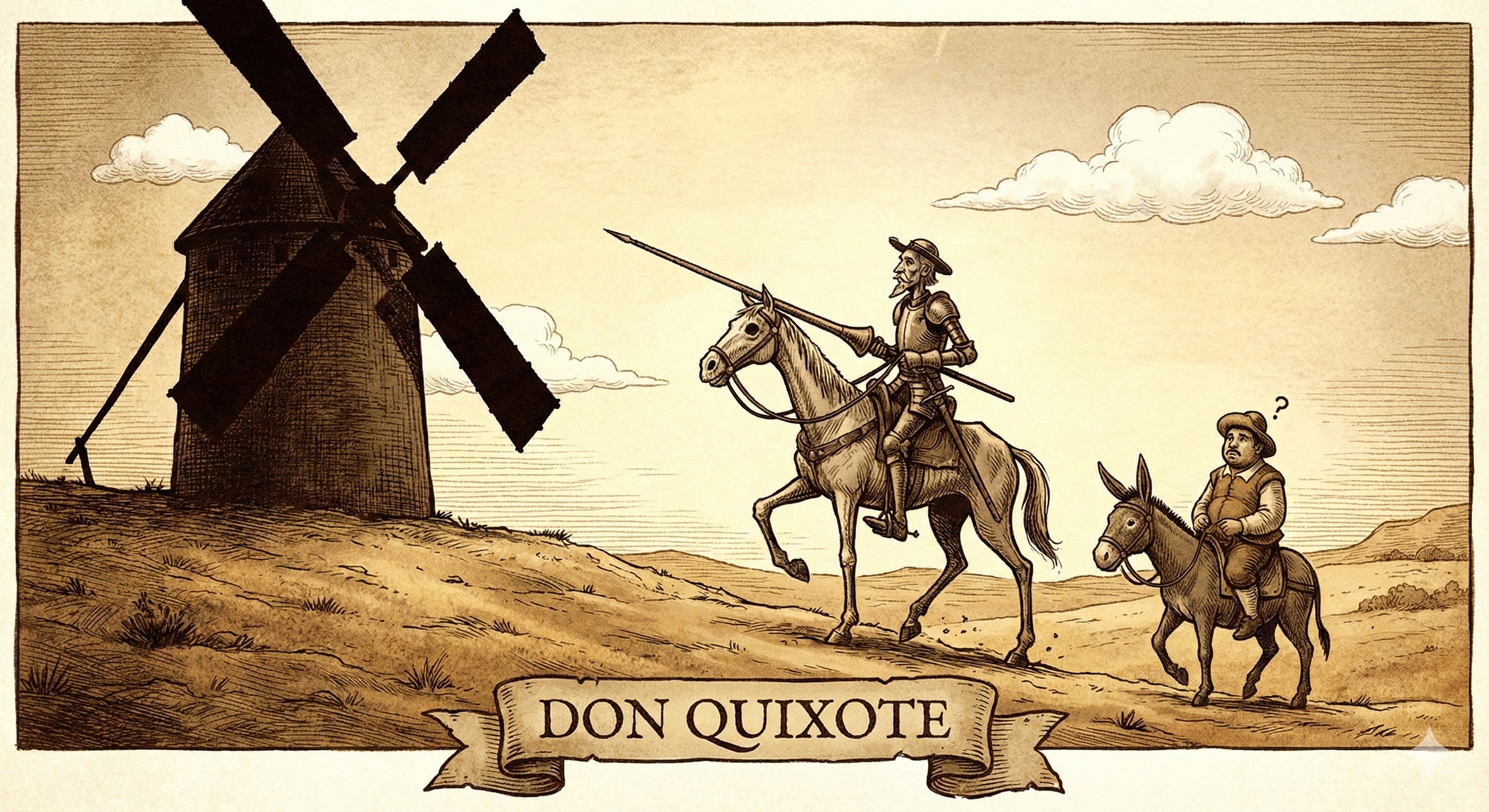
The First Modern Novel: Why You Must Read Don Quixote
If you have ever used the phrase "tilting at windmills" or described someone as "quixotic," you have Miguel de Cervantes to thank. Published in two parts (1605 and 1615), Don Quixote is widely considered the first modern novel and, by many accounts, the greatest work of fiction ever written.

Poems by Paul Celan
Paul Celan’s Poems is not just a book—it’s an emotional tremor bound between covers. Known for its sparse brilliance, linguistic innovation, and unforgettable emotional weight, this collection remains one of the most significant works of post-war European poetry. Celan writes as someone who has witnessed the unthinkable and insists on speaking, even in fractured, minimalist whispers.
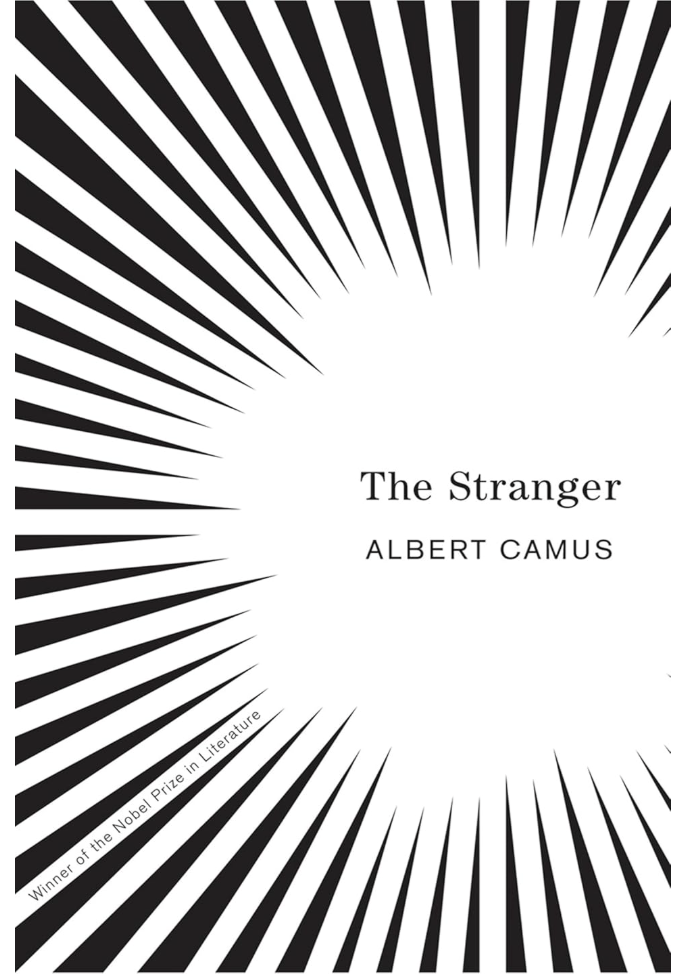
The Stranger by Albert Camus
Albert Camus’s The Stranger is one of those rare books that manages to be both startlingly simple and unsettlingly profound. With its cool, detached narrator and stark reflections on the meaning (or meaninglessness) of life, the novel has become a landmark in modern literature. It’s a slim book—you can read it in an afternoon—but it lingers in your mind for years, poking at your assumptions, your emotions, and maybe even your existential comfort zone.
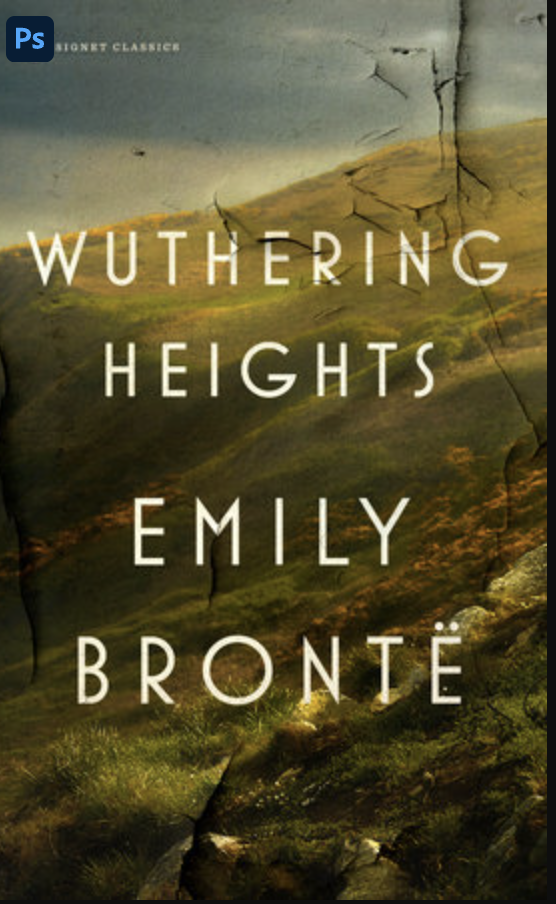
Wuthering Heights by Emily Brontë
Few novels sweep readers into a storm of emotion quite like Emily Brontë’s Wuthering Heights—a book that arrives with thunder, leaves with lightning, and somehow manages to remain irresistibly magnetic after nearly two centuries. Equal parts Gothic drama, psychological portrait, and meditation on love at its most destructive, this 1847 classic has secured its place as one of literature’s most haunting works.
Explore by Category
Find articles that interest you
Challenge Your Mind
Take a break from reading and test your logic skills with our daily puzzle!
Can you solve today's puzzle? Test your deductive skills!
Daily Number Path
Find the only valid path through a 4×4 grid. Quick daily brain teaser!
Can you solve today's number puzzle? Follow the +1/-1 rule!
Explore where technology meets intellect. From technical tutorials to intellectual exploration—stay curious and inspired.
About Our Blog
Explore where technology meets intellect. From technical tutorials to intellectual exploration—stay curious and inspired.
Stay Curious. Stay Inspired.
Join our community of thinkers, developers, and lifelong learners. Explore ideas that challenge, inspire, and empower you to think differently.



Ⓒ 2026. All rights reserved by atomic