
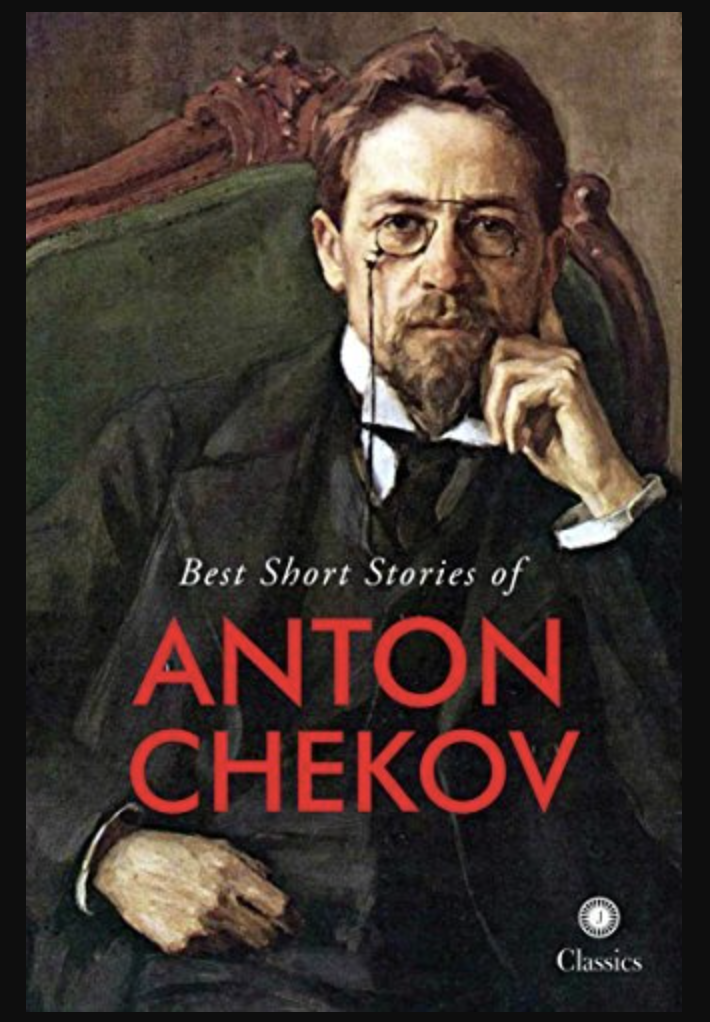
The Stories of Anton Chekhov
Theodoros Kafantaris
Published on December 11, 2025
1. Introduction: The Doctor of Human Nature 🩺
For the next installment in our "100 Books You Must Read" series, we turn our attention to the delicate, profound, and often melancholic world of Anton Chekhov's short stories. Chekhov (1860–1904) is arguably the master of the modern short story and a foundational figure in modern drama.
His significance lies in his revolutionary approach to fiction. Unlike his contemporaries, Chekhov's stories often lack a dramatic climax or clear resolution. Instead, they focus on mood, atmosphere, and the subtle, internal lives of ordinary people. He captured the "slice of life" like no one before him, portraying the tragedy, banality, and fleeting moments of beauty in the late 19th-century Russian existence. His work is noted for its impartial, objective tone, forcing the reader to draw their own conclusions about his characters' unhappy lives.
2. About the Author: From Doctor to Literary Icon 🖋️
Anton Pavlovich Chekhov was born in Taganrog, Russia, and trained as a physician. He famously declared that medicine was his lawful wife and literature his mistress—a mistress who eventually claimed his full attention. He began writing short, humorous sketches primarily to support his family while studying medicine. His early works, known for their comic brevity, gradually evolved into the deep, poignant stories for which he is celebrated today.
His style is characterized by its concision, realism, and profound sympathy for his characters, even the most deeply flawed. He pioneered the technique of "showing, not telling," allowing a character's internal state to be revealed through their actions, dialogue, and environment. A crucial factor in understanding Chekhov is his medical background; it gave him a keen, clinical eye for detail and a deep understanding of human psychology, pathology, and suffering, which he brought to his fiction without judgment. He is also famous for Chekhov's Gun, the dramatic principle that states if a gun is introduced in the first act, it must go off by the third—a testament to his belief in narrative economy.
3. Story Overview: A Gallery of Despair and Quiet Hope
Chekhov wrote hundreds of stories, and while they vary greatly, they share a focus on life's unrealized potential, quiet desperation, and missed connections. His narratives unfold not through sweeping epic actions, but through small, everyday failures.
The Burden of Provincial Life (e.g., "Gooseberries," "The Lady with the Dog")
Many of Chekhov's best stories are set in the isolated Russian provinces, detailing the boredom and futility of life for the gentry, civil servants, and disillusioned intellectuals. Characters often feel trapped in jobs they hate or marriages they regret, perpetually dreaming of a better life in Moscow or Petersburg that they will never pursue. The central conflict is often internal: the battle between a character's desire for meaning and the stifling mediocrity of their reality.
Moments of Epiphany and Loss (e.g., "The Student," "Misfortune")
Chekhov excels at portraying brief, luminous moments of clarity or epiphany that quickly fade back into the grayness of everyday life. For instance, in "The Lady with the Dog," a married Moscow banker's casual affair in Yalta transforms unexpectedly into a deep, painful love. The story doesn't end with them escaping their marriages, but with the quiet, shared realization that they are fundamentally unhappy and trapped. The narrative style is marked by its lack of sentimentality, delivering emotional weight through understatement.
The Cruelty of Social Systems (e.g., "Ward No. 6," "The Darling")
Chekhov often used his stories to subtly critique the social and political injustices of Tsarist Russia, particularly the bureaucratic incompetence and the cruel treatment of the poor and mentally ill. "Ward No. 6," set in a squalid mental asylum, is a devastating examination of philosophical detachment versus action, and the dangerous apathy of the educated class. The story is a bleak but powerful demonstration of how good people can be destroyed by a corrupt and indifferent system.
4. Key Takeaways 💡
-
The Tragedy of the Ordinary: Chekhov teaches us that the most profound human drama is not found in wars or grand conspiracies, but in the unspectacular, daily attrition of hopes and dreams.
-
The Importance of Empathy: Through his impartial narrative voice, he encourages the reader to suspend judgment and find sympathy for flawed, unhappy, or ordinary people who struggle with universal desires and fears.
-
Mastery of Subtext and Ambiguity: His stories demonstrate the power of what is left unsaid. The true meaning often lies in the atmosphere, the dialogue's silences, and the subtle gestures of the characters, mirroring real-life communication.
-
Beauty in the Bleak: Even amidst deep melancholy and despair, Chekhov's writing finds moments of striking natural beauty or human tenderness, suggesting that life, despite its pain, is worth observing and recording.
-
No Easy Answers: Chekhov refuses to provide neat moral lessons or happy endings. He leaves the characters and their problems unresolved, reflecting the frustrating, ambiguous nature of actual life.
5. Why This Book Is a Must Read 🌟
Reading The Stories of Anton Chekhov is essential because he fundamentally changed what literature could be. He proved that a great story doesn't require a heroic quest or a shocking twist; it only requires truthful, compassionate observation of the human condition. His influence on subsequent writers, from Katherine Mansfield and Raymond Carver to the entirety of modern theatre, is immeasurable. He masterfully shows us the depth and beauty in the everyday, earning his place on the "100 Books You Must Read" list as a timeless physician of the soul.

