
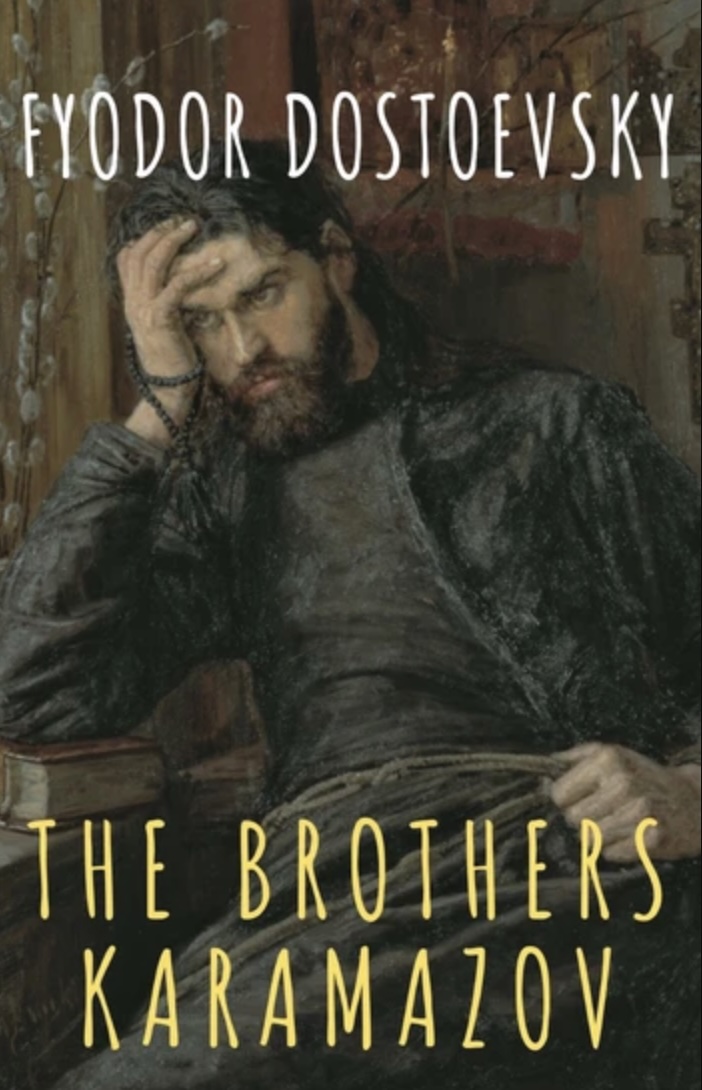
The Brothers Karamazov by Fyodor Dostoevsky
Theodoros Kafantaris
Published on December 20, 2025
1. Introduction: The Ultimate Russian Epic
Welcome to the family from hell. Fyodor Dostoevsky's final and most monumental novel, The Brothers Karamazov (1880), is a towering achievement of world literature. It is simultaneously a gripping murder mystery, a passionate love story, a blistering courtroom drama, and the deepest philosophical inquiry into the nature of faith, doubt, and freedom ever written in novel form.
The book's significance lies in its incredible scope. It explores the foundational questions of human existence through the lives of the three—or four—Karamazov brothers, each representing a different facet of the modern soul: the sensualist, the rationalist, and the saint. The central drama—the parricide of the depraved patriarch, Fyodor Pavlovich Karamazov—acts as a catalyst, forcing every character (and the reader) to confront the ultimate moral challenge: If there is no God, everything is permitted. This epic is the culmination of Dostoevsky's life's work, a comprehensive vision that cements his status as a spiritual and psychological giant.
2. About the Author: Fyodor Dostoevsky – The Grand Inquisitor
Fyodor Mikhailovich Dostoevsky (1821–1881) wrote The Brothers Karamazov toward the end of his life, consolidating the political, religious, and psychological ideas he had explored in his earlier masterpieces. The novel is deeply influenced by the final tragedies of his life, including the death of his young son Alyosha, whose name and saintly spirit he transferred to the youngest brother, Alexei Karamazov.
His style reaches its zenith here: the narrative is complex, driven by intensely dramatic scenes and prolonged, passionate intellectual debates. The famous "Legend of the Grand Inquisitor" chapter, a standalone philosophical meditation on Christ, freedom, and authority, is often cited as one of the greatest pieces of polemical literature ever conceived. Dostoevsky utilizes his polyphonic technique to the fullest, giving equal, compelling voice to atheism, nihilism, sensualism, and monastic faith, refusing to preach directly but allowing the characters' fates to reveal his moral truths.
3. Story Overview: A Parricide and its Moral Fallout
The narrative is structured around the immediate family and their connection to the central crime.
👨👦👦 The Father and His Sons
The novel begins by introducing the despicable patriarch, Fyodor Pavlovich Karamazov, a wealthy, vulgar, and cruel sensualist. His three legitimate sons are:
-
Dmitri (Mitya): The passionate, reckless soldier driven by instinct, honor, and uncontrollable eros. He constantly fights with his father over money and the love of the scandalous, fiery woman, Grushenka.
-
Ivan: The brilliant, tormented rationalist and intellectual atheist. He grapples with profound philosophical ideas, formulating the famous argument that human suffering is too immense for God's creation to be justified, leading to his belief that "everything is permitted."
-
Alexei (Alyosha): The youngest and gentlest, a devout novice in the local monastery under the guidance of the saintly Elder Zosima. Alyosha represents spiritual hope, unconditional love, and the possibility of human goodness.
⚖️ Passion, Money, and Murder
The tensions among the Karamazov men are at a boiling point. Dmitri is convinced his father has swindled him out of his inheritance and is his direct rival for Grushenka. Ivan, though outwardly detached, is secretly tormented by his own intellectual nihilism. When Fyodor Pavlovich is brutally murdered, Dmitri is the obvious suspect—found at the scene with bloody clothes and sudden wealth. However, Dostoevsky's focus is less on who committed the murder and more on why it was morally inevitable for the Karamazov family.
📜 The Grand Inquisitor and the Trial
The middle and most famous section of the novel is dominated by Ivan's intellectual breakdown and his "poem," The Legend of the Grand Inquisitor. This is a powerful critique of free will, where Ivan argues that Christ's gift of freedom is too heavy a burden for humanity, and that people crave an authority that will take away their freedom and feed them. Following this intellectual and emotional torment, Dmitri is brought to trial. The courtroom drama becomes a vast canvas for judging not just Dmitri, but the entire moral state of Russia and the human condition. The final revelations suggest a deeper, terrifying complicity involving the illegitimate "fourth" brother, the tormented valet Smerdyakov, whose actions were directly inspired by Ivan’s amoral philosophy.
4. Key Takeaways: Philosophy in Action
-
The Burden of Freedom and Morality: The novel argues that true moral freedom is terrifying because it forces a choice between God and 'everything is permitted,' highlighting the anguish of existential choice.
-
Love as Active Faith: Through the teachings of Elder Zosima, Dostoevsky presents active love—the daily commitment to loving and forgiving those around you—as the only antidote to destructive intellectual pride and passive doubt.
-
Universal Responsibility: A central theme is the idea that "each of us is responsible for everything and to every human being." Dmitri’s unjust conviction is a spiritual necessity, as he and his brothers are morally complicit in the father's death through their collective hatred and wicked desires.
-
The Power of Doubt: Ivan Karamazov embodies the seductive yet destructive power of intellectual doubt. His philosophical genius is also his spiritual disease, showing that the intellect alone is insufficient for a fulfilled moral life.
5. Why This Book Is a Must Read: The Sum of Human Experience
The Brothers Karamazov is the final word in Dostoevsky’s brilliant career and a foundational text for modern thought. Its influence spans theologians, existentialists, psychologists (Freud called it "the most magnificent novel ever written"), and countless authors. It contains the most profound arguments for and against God, suffering, and human morality, forcing readers to wrestle with their deepest convictions. For its unparalleled psychological insight, its masterful dramatic structure, and its eternal exploration of the primal battle between faith and nihilism within the human heart, it stands triumphantly on the '100 Books You Must Read' list.

