
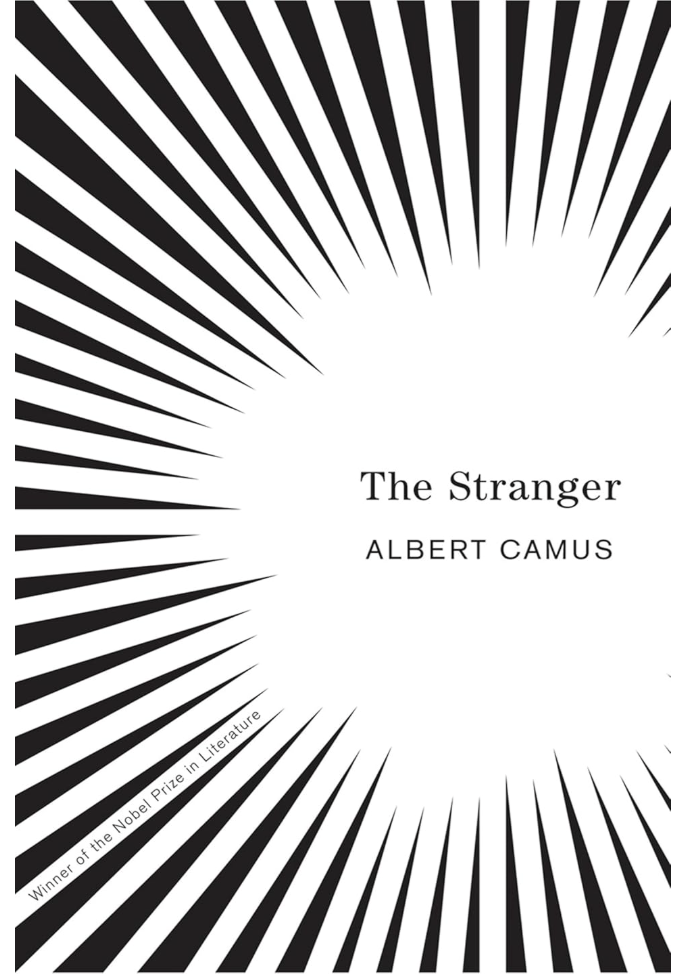
The Stranger by Albert Camus
Theodoros Kafantaris
Published on December 06, 2025
Introduction
Albert Camus’s The Stranger is one of those rare books that manages to be both startlingly simple and unsettlingly profound. With its cool, detached narrator and stark reflections on the meaning (or meaninglessness) of life, the novel has become a landmark in modern literature. It’s a slim book—you can read it in an afternoon—but it lingers in your mind for years, poking at your assumptions, your emotions, and maybe even your existential comfort zone.
Since its publication in 1942, The Stranger has become a cornerstone of 20th-century philosophy and literature, especially within discussions of existentialism and absurdism. It’s not just a story about a man; it’s a study of what it means to feel—or not feel—your place in the world.
About the Author
Albert Camus (1913–1960) was a French-Algerian writer, journalist, and philosopher often linked to existentialism, though he famously rejected the label. Instead, he developed the concept of absurdism, the idea that humans naturally seek meaning in a universe that offers none. Cheerful, right? But Camus’s work is far from bleak; it often advocates rebellion, integrity, and finding personal freedom even in the absurd.
Camus wrote several major works, including The Plague, The Fall, The Myth of Sisyphus, and The Rebel. His writing blends philosophical clarity with sharp storytelling, making him accessible even when unpacking heavy ideas.
Interestingly, Camus frequently stirred debate—philosophically and politically. He had public disagreements with fellow thinker Jean-Paul Sartre, helped lead the French Resistance press, and later won the Nobel Prize in Literature at only 44, one of the youngest recipients ever.
Story Overview
I. The Unemotional Witness
The novel opens with the famously aloof first line: “Mother died today. Or, maybe, yesterday; I can’t be sure.” Meursault, the narrator, reacts to his mother’s death not with grief but with indifference. He attends the funeral, smokes, drinks coffee next to the coffin, and takes the next day off to go swimming and start a relationship with Marie, a former coworker. Already, readers sense that Meursault doesn’t operate by society’s emotional script.
II. Sunlight, Heat, and a Harsh Turn
Meursault becomes loosely involved in the troubles of his neighbor, Raymond, a questionable man with a violent streak. A confrontation between Raymond and a group of Arab men leads to increasing tension. During a sweltering day at the beach, Meursault, overwhelmed by heat, glare, and a sense of surreal detachment, ends up shooting one of the men. His explanation? The sun was too bright. This is not a metaphor—he genuinely blames the sun.
III. Courtroom Drama Without the Drama
Meursault is arrested, but the trial quickly becomes less about the murder and more about his character. The prosecutors seem more outraged that he didn’t cry at his mother’s funeral than that he shot a man. The courtroom scenes highlight society’s discomfort with people who don’t follow expected emotional norms. By the end, Meursault’s inability—or refusal—to pretend becomes the central case against him.
IV. The Final Realization
Awaiting execution, Meursault reflects on his life and the world. In what becomes the philosophical heart of the book, he accepts the “benign indifference of the universe.” It’s a strangely liberating moment. He finds a sense of peace not through meaning, but by embracing meaninglessness—and, in doing so, defiantly chooses how to face his fate.
Key Takeaways
-
Emotions Aren’t Universal—But Expectations Are: Meursault’s story highlights how society judges not just actions, but the emotions (real or performed) behind them.
-
The Absurd Is Everywhere: Camus invites readers to confront the conflict between our desire for meaning and the world’s refusal to provide it.
-
Authenticity Can Be Uncomfortable: Meursault refuses to fake feelings, and this honesty—however strange—causes more outrage than his crime.
-
Freedom Comes from Acceptance: The novel suggests that peace can emerge from accepting life’s unpredictability rather than resisting it.
-
Small Choices Shape Big Outcomes: A cigarette, a swim, a moment in the sun—Camus shows how ordinary decisions can lead to extraordinary consequences.
Why This Book Is a Must Read
The Stranger is essential reading because it opens doors to some of the biggest questions in philosophy while remaining entirely accessible. Its cool, minimalist style makes it engaging; its ideas make it unforgettable. This book has shaped discussions about morality, identity, emotion, and the human condition for decades. Whether you read it for personal growth, literary exploration, or cultural understanding, it earns its place in the “100 Books You Must Read” series by challenging you to examine how you live—and why.


