
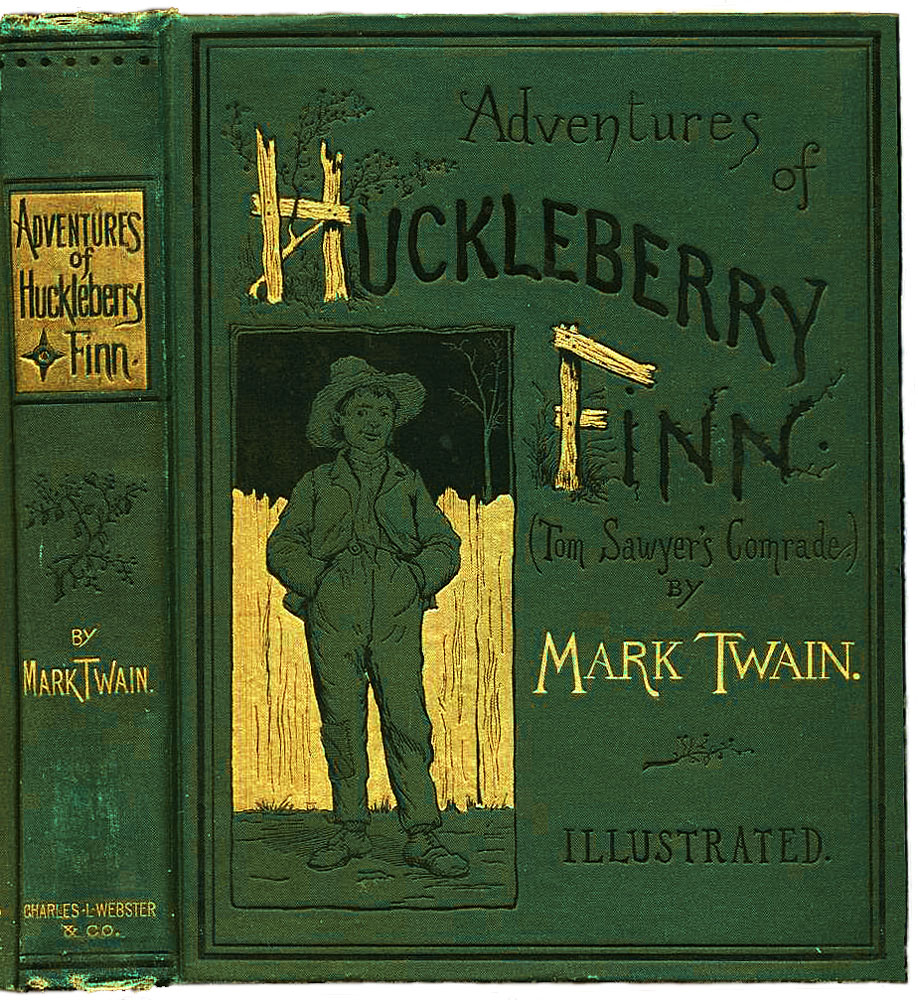
Adventures of Huckleberry Finn by Mark Twain
Theodoros Kafantaris
Published on July 08, 2026
1. Introduction
"All modern American literature comes from one book by Mark Twain called Huckleberry Finn." Ernest Hemingway was not exaggerating. Published in 1884, Twain's novel follows Huck Finn, who fakes his own murder to escape his abusive father, and Jim, an enslaved man fleeing toward freedom. Their journey down the Mississippi on a raft is simultaneously a boy's adventure and the most profound moral education in American fiction.
2. About the Author
Mark Twain, born Samuel Langhorne Clemens in 1835, was an American writer, humorist, and lecturer. Raised in Hannibal, Missouri, a port town on the Mississippi River, Twain drew heavily from his experiences as a riverboat pilot, miner, and journalist. His works, including The Adventures of Tom Sawyer and Adventures of Huckleberry Finn, are celebrated for their wit, satire, and keen social commentary. Twain's writing often critiqued racism, imperialism, and hypocrisy, making him a central figure in American literature.
3. Story Overview
Adventures of Huckleberry Finn begins with Huck living under the care of the Widow Douglas and her sister Miss Watson, who attempt to "civilize" him. However, Huck's abusive father, Pap Finn, returns and kidnaps him, forcing Huck to fake his own murder to escape. He flees to Jackson's Island, where he encounters Jim, Miss Watson's enslaved man who has run away after learning he is to be sold down the river. Together, they build a raft and embark on a journey down the Mississippi River, seeking freedom: Jim from slavery, and Huck from societal constraints.
Their journey is episodic, featuring encounters with various characters and communities that satirize American society. They meet the Grangerfords and Shepherdsons, feuding families engaged in a senseless and deadly conflict; the Duke and the King, two con artists who swindle townsfolk; and the Phelps family, where Huck must decide whether to betray Jim to save his own conscience. The novel's climax occurs when Huck writes a letter to Miss Watson revealing Jim's whereabouts, but after reflecting on their friendship, he tears it up, famously declaring, "All right, then, I'll go to hell."
Major themes include the conflict between individual conscience and societal morality, the hypocrisy of civilized society, and the nature of freedom. The narrative structure combines picaresque adventure with bildungsroman, as Huck matures through his experiences. Key characters include Huck, the pragmatic and morally evolving narrator; Jim, the loyal and compassionate runaway slave; and Tom Sawyer, Huck's friend who represents romanticized adventure. Notable scenes include Huck's decision to help Jim despite believing it is a sin, the raft journey as a symbol of freedom, and the final revelation that Jim has been freed all along. The novel's use of vernacular speech and its unflinching portrayal of racism have cemented its literary significance, though it remains controversial for its racial language and depictions.
4. Key Takeaways
- Conscience can be wrong: Huck's internal struggle shows that societal teachings about right and wrong are not always moral. He learns to trust his own heart over the dictates of a corrupt society.
- A raft on a river is the image of American freedom: The Mississippi River represents a space of escape and possibility, where Huck and Jim can be free from the constraints of land-based society. It symbolizes the American ideal of liberty.
- Morality is learned through experience, not teaching: Huck's moral growth comes from his direct experiences with Jim, not from the lessons of the Widow Douglas or Sunday school. True empathy and understanding arise from personal connection.
5. Why This Book Is a Must Read
Adventures of Huckleberry Finn is essential reading for its profound exploration of race, identity, and morality in America. Twain's masterful use of vernacular language and satire challenges readers to question societal norms and confront uncomfortable truths. The novel's enduring power lies in its ability to provoke thought and discussion, making it as relevant today as it was in the 19th century. It is a cornerstone of American literature that continues to inspire and educate.


