
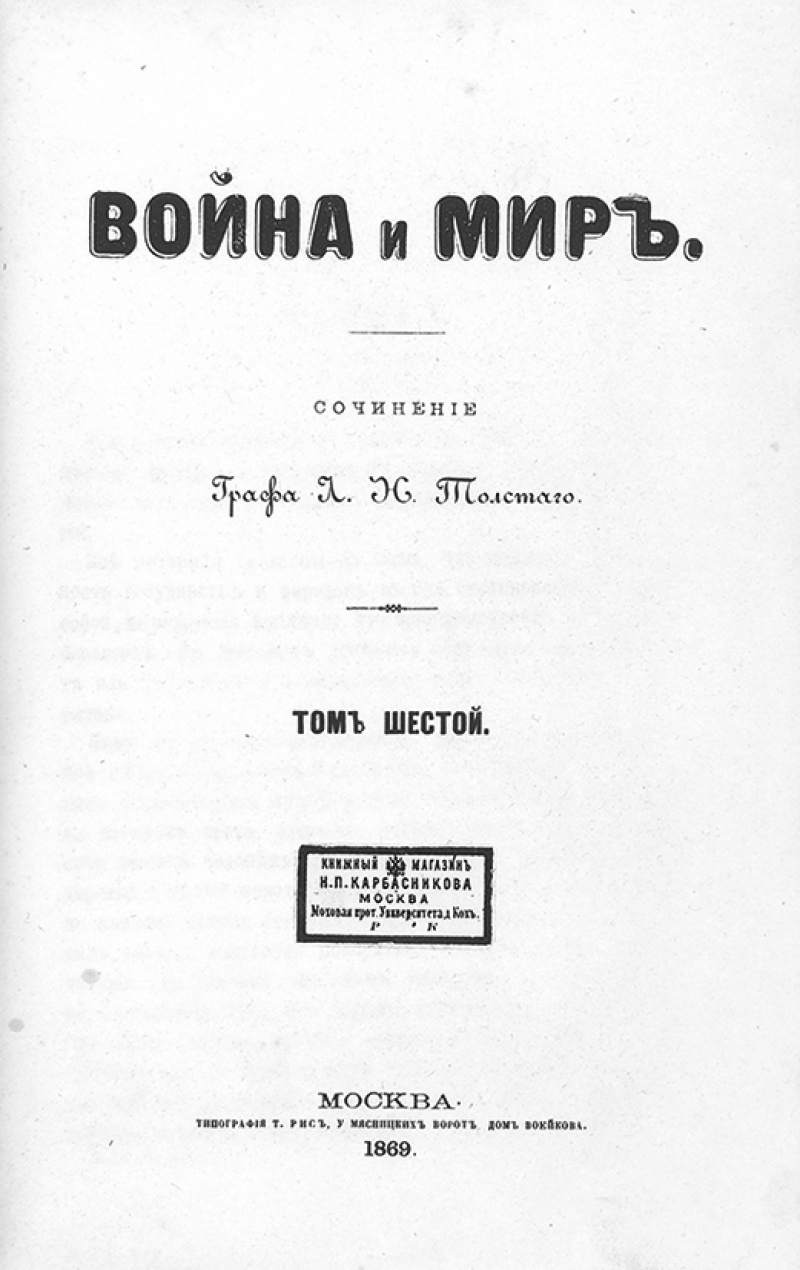
Πόλεμος και Ειρήνη του Λέοντος Τολστόι
Theodoros Kafantaris
Δημοσιεύτηκε στις July 07, 2026
1. Εισαγωγή
Υπάρχουν μυθιστορήματα, και μετά υπάρχει το Πόλεμος και Ειρήνη. Το μνημειώδες έργο του Λέοντος Τολστόι (1869) δεν είναι απλώς ένα βιβλίο—είναι ένα σύμπαν. Εκτείνεται σε πάνω από 1.200 σελίδες, συνυφαίνοντας τις ζωές πέντε αριστοκρατικών ρωσικών οικογενειών ενάντια στην καταστροφή της εισβολής του Ναπολέοντα το 1812. Ο ίδιος ο Τολστόι αρνήθηκε να το αποκαλέσει μυθιστόρημα, προτιμώντας «ούτε μυθιστόρημα, ούτε ποίημα, ούτε ιστορικό χρονικό». Ό,τι κι αν είναι, παραμένει ένα από τα υψηλότερα επιτεύγματα της ανθρώπινης τέχνης—ένα έργο που επιχειρεί τίποτα λιγότερο από το να συλλάβει το σύνολο της ανθρώπινης εμπειρίας: αγάπη, πόλεμο, γέννηση, θάνατο, φιλοδοξία, αποτυχία, πίστη και αμφιβολία.
Αυτό που κάνει το Πόλεμος και Ειρήνη πραγματικά επαναστατικό είναι η φιλοσοφία της ιστορίας του. Ο Τολστόι υποστηρίζει ότι οι μεγάλοι άνδρες δεν δημιουργούν την ιστορία—ο Ναπολέοντας δεν είναι ιδιοφυΐα αλλά μαριονέτα εκατομμυρίων μικροσκοπικών αιτιών, παρασυρόμενος από δυνάμεις που ούτε ελέγχει ούτε κατανοεί. Η ιστορία, επιμένει ο Τολστόι, καθορίζεται από το άθροισμα αμέτρητων ατομικών θελήσεων, όχι από βασιλείς ή στρατηγούς. Αυτή η ριζοσπαστική φιλοσοφία μεταμορφώνει το μυθιστόρημα σε κάτι πολύ πιο φιλόδοξο από την ιστορική μυθοπλασία: μια προσπάθεια να κατανοηθεί η φύση της ίδιας της αιτιότητας.
2. Σχετικά με τον Συγγραφέα
Συγγραφέας: Λέων Τολστόι (1828–1910)
Ο Κόμης Λεβ Νικολάγιεβιτς Τολστόι γεννήθηκε στη ρωσική αριστοκρατία και πέρασε τα νιάτα του στην ασωτία—τυχερά παιχνίδια, ποτό και γυναίκες—πριν μια πνευματική κρίση στη μέση ηλικία τον μεταμορφώσει σε έναν ριζοσπαστικό χριστιανό αναρχικό που απαρνήθηκε τον πλούτο του, υποστήριξε την αγαμία και επηρέασε τόσο τον Γκάντι όσο και τον Μάρτιν Λούθερ Κινγκ. Πολέμησε στον Κριμαϊκό Πόλεμο, απέκτησε δεκατρία παιδιά και αφορίστηκε από τη Ρωσική Ορθόδοξη Εκκλησία. Πέθανε το 1910 σε έναν απομακρυσμένο σιδηροδρομικό σταθμό, έχοντας εγκαταλείψει το σπίτι του σε ηλικία 82 ετών σε μια τελική, απεγνωσμένη αναζήτηση πνευματικής αυθεντικότητας. Ο τάφος του—ένας απλός σωρός χώματος σε ένα δάσος—δεν φέρει σταυρό, ούτε όνομα, ούτε επιγραφή. Είναι, όπως και το μεγαλύτερο μυθιστόρημά του, ένα επιχείρημα υπέρ της απλότητας ως της ύψιστης μορφής σοφίας.
3. Περίληψη της Ιστορίας
Το Πόλεμος και Ειρήνη εκτυλίσσεται στη Ρωσία του 1805-1813, με φόντο τους Ναπολεόντειους Πολέμους. Το μυθιστόρημα παρακολουθεί τρεις κεντρικούς χαρακτήρες: τον Πιερ Μπεζούχοφ, τον πρίγκιπα Αντρέι Μπολκόνσκι και τη Νατάσα Ροστόβα. Ο Πιερ, νόθος γιος ενός πλούσιου κόμη, κληρονομεί μια τεράστια περιουσία και βρίσκεται μπλεγμένος σε έναν ατελείωτο αγώνα για νόημα. Αρχικά γοητεύεται από τον Ελευθεροτεκτονισμό, αλλά απογοητεύεται. Ο πρίγκιπας Αντρέι, ένας φιλόδοξος αριστοκράτης, αναζητά δόξα στον πόλεμο, αλλά μετά τον τραυματισμό του στη Μάχη του Άουστερλιτς, βλέπει το κενό της φιλοδοξίας και αποσύρεται στην ύπαιθρο. Η Νατάσα, μια ζωηρή και παρορμητική νεαρή γυναίκα, ερωτεύεται τον Αντρέι, αλλά σχεδόν καταστρέφεται όταν παρασύρεται από τον αποπλανητή Ανατόλ Κουράγκιν. Παράλληλα, η πλοκή περιλαμβάνει τις οικογένειες Μπολκόνσκι, Ροστόφ και Κουράγκιν, με ιστορίες γάμου, κληρονομιάς και προδοσίας.
Ο πόλεμος αποτελεί κεντρικό άξονα: ο Τολστόι περιγράφει τις μάχες του Σένγκραμπεν, του Άουστερλιτς και του Μποροντίνο με ρεαλισμό και φιλοσοφικό βάθος. Στο Μποροντίνο, ο Πιερ παρακολουθεί τη φρίκη του πολέμου από κοντά, ενώ ο Αντρέι τραυματίζεται θανάσιμα. Μετά την κατάληψη της Μόσχας από τον Ναπολέοντα, ο Πιερ αιχμαλωτίζεται και βιώνει μια πνευματική αφύπνιση μέσω της απλότητας ενός συγκρατούμενού του, του Πλάτωνα Καρατάγιεφ. Η Νατάσα, συντετριμμένη από την προδοσία της, φροντίζει τον τραυματισμένο Αντρέι, ο οποίος πεθαίνει έχοντας συμφιλιωθεί με τη ζωή. Στο τέλος, ο Πιερ και η Νατάσα παντρεύονται, βρίσκοντας γαλήνη στην οικογενειακή ζωή, ενώ ο Τολστόι ολοκληρώνει με ένα εκτενές φιλοσοφικό δοκίμιο για τη φύση της ιστορίας.
Τα κύρια θέματα περιλαμβάνουν την αναζήτηση νοήματος, τη φύση της ιστορίας, την αγάπη και τη συγχώρεση. Ο Τολστόι υποστηρίζει ότι η αληθινή σοφία βρίσκεται στην αποδοχή της ροής της ζωής, όχι στην προσπάθεια ελέγχου της. Οι χαρακτήρες εξελίσσονται μέσα από δοκιμασίες: ο Πιερ από τον ηδονισμό στη σοφία, ο Αντρέι από την αλαζονεία στην ταπεινοφροσύνη, η Νατάσα από την αθωότητα στην ωριμότητα. Αξιοσημείωτες σκηνές περιλαμβάνουν τον Αντρέι να κοιτάζει τον ουρανό του Άουστερλιτς, τη Νατάσα να χορεύει σε ένα ρωσικό λαϊκό τραγούδι, και τον Πιερ να μοιράζεται φαγητό με τον Καρατάγιεφ. Το μυθιστόρημα είναι ένα λογοτεχνικό ορόσημο που συνδυάζει ιστορική μυθοπλασία, φιλοσοφία και ψυχολογικό ρεαλισμό.
4. Βασικά Συμπεράσματα
- Οι μεγάλοι άνδρες είναι ψευδαισθήσεις. Ο Ναπολέοντας εμφανίζεται όχι ως ιδιοφυΐα αλλά ως ένας χοντρός, αυτάρεσκος μέτριος άνθρωπος του οποίου οι διαταγές δεν κάνουν καμία διαφορά στο πεδίο της μάχης. Η ιστορία καθοδηγείται από αμέτρητες μικρές αιτίες, όχι από μεμονωμένες ιδιοφυΐες.
- Η ζωή βρίσκεται στο συνηθισμένο. Ο Πιερ ανακαλύπτει νόημα όχι σε μεγάλες ιδέες αλλά σε απλές ανθρώπινες συνδέσεις—μοιράζοντας φαγητό, καθισμένος δίπλα σε μια φωτιά, κρατώντας ένα παιδί. Η αληθινή ευτυχία κρύβεται στην καθημερινότητα.
- Η καρδιά έχει λόγους που η λογική δεν μπορεί να γνωρίζει. Ο Τολστόι, ο ορθολογιστής που έγινε μυστικιστής, τελικά εκτιμά τη διαίσθηση πάνω από τη διάνοια. Η αγάπη και η συγχώρεση υπερβαίνουν την ορθολογική σκέψη.
- Η ελευθερία είναι υποταγή στη ροή της ζωής. Η ιδιοφυΐα του Κουτούζοφ είναι να γνωρίζει πότε να μην κάνει τίποτα—μια σοφία που ο Πιερ και ο Αντρέι μαθαίνουν μόνο μέσω του πόνου. Η αποδοχή της αβεβαιότητας φέρνει ελευθερία.
- Κάθε ζωή περιέχει ένα έπος. Το μυθιστόρημα επιμένει ότι η πιο ήσυχη, πιο συνηθισμένη ύπαρξη είναι εξίσου σημαντική με οποιοδήποτε πεδίο μάχης. Η αξία της ζωής δεν μετριέται από εξωτερικά επιτεύγματα.
5. Γιατί Αυτό το Βιβλίο Είναι Απαραίτητο να Διαβαστεί
Πόλεμος και Ειρήνη κερδίζει τη θέση του ανάμεσα στα «100 Βιβλία που Πρέπει να Διαβάσετε» επειδή δεν είναι απλώς ένα μυθιστόρημα αλλά μια εκπαίδευση στο πώς να ζεις. Το να το διαβάζεις σημαίνει να περνάς μήνες στη συντροφιά χαρακτήρων που γίνονται πιο πραγματικοί από τους περισσότερους ανθρώπους που γνωρίζουμε. Από λογοτεχνική σκοπιά, επαναπροσδιόρισε τι μπορούσε να περιλάβει η μυθοπλασία—ιστορία, φιλοσοφία, οικογενειακό δράμα και πνευματική αυτοβιογραφία υφασμένα σε ένα ενιαίο απρόσκοπτο όραμα. Από την οπτική της προσωπικής ανάπτυξης, προσφέρει μια φιλοσοφία ζωής που είναι ταυτόχρονα απαιτητική και συγχωρητική: αγωνίσου, αλλά γνώριζε ότι η αγωνία δεν είναι το ίδιο με τον έλεγχο· αγάπα, αλλά γνώριζε ότι η αγάπη απαιτεί παράδοση· αναζήτα νόημα, αλλά βρες το στο συνηθισμένο παρά στο εξαιρετικό. Λίγα βιβλία ανταμείβουν την επένδυση χρόνου τόσο πλήρως.


