
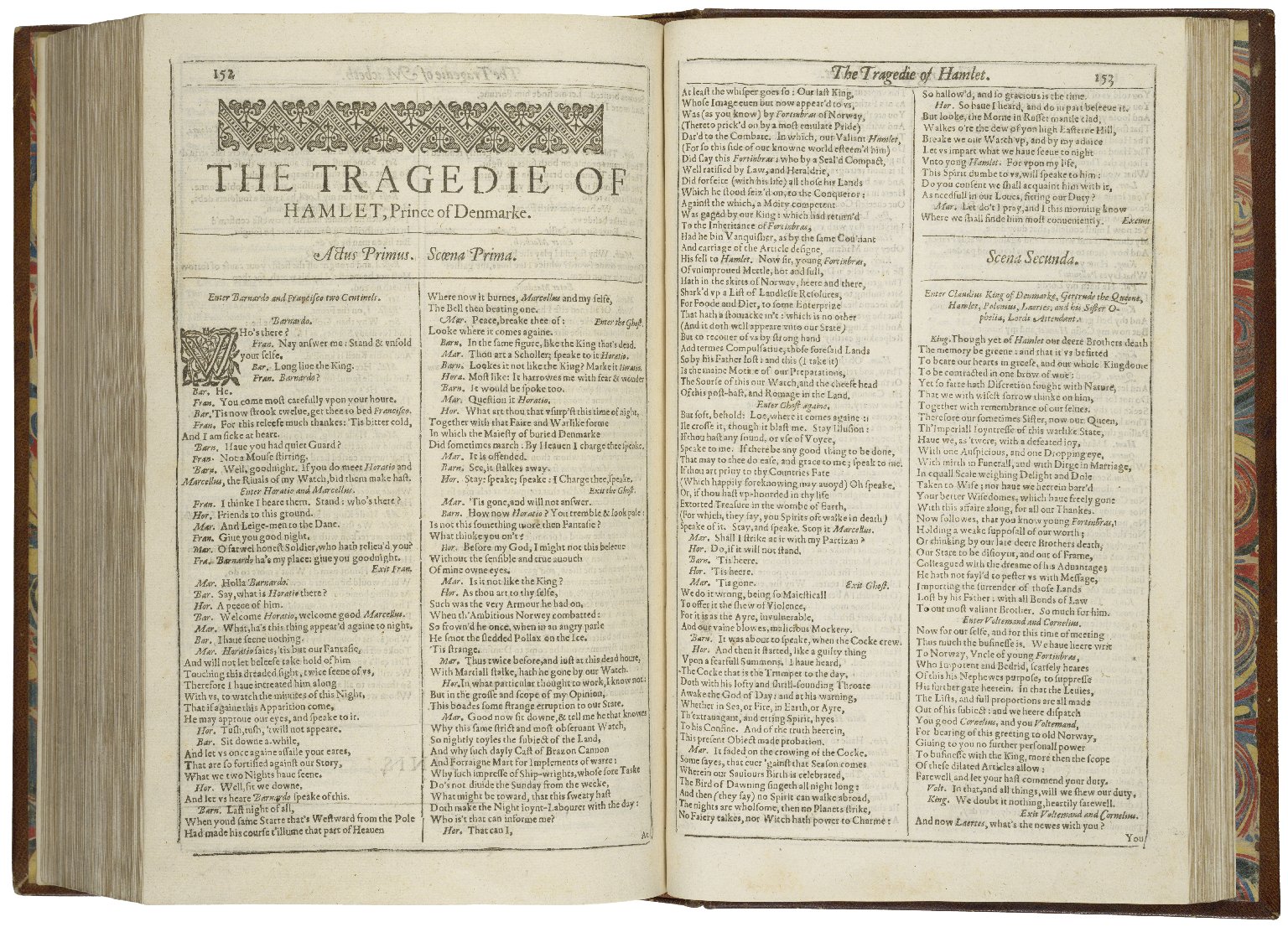
Άμλετ του Ουίλιαμ Σαίξπηρ
Theodoros Kafantaris
Δημοσιεύτηκε στις July 07, 2026
1. Εισαγωγή: Ο Μελαγχολικός Δανός
«Ποιος είναι εκεί;» Τα πρώτα κιόλας λόγια του Άμλετ είναι μια ερώτηση — και το έργο δεν σταματά ποτέ να ρωτά. Ποιοι είμαστε; Τι συμβαίνει μετά τον θάνατο; Είναι δυνατή η δράση όταν καταλαβαίνουμε πάρα πολλά; Ο Άμλετ του Ουίλιαμ Σαίξπηρ (περ. 1600) δεν είναι απλώς το σπουδαιότερο θεατρικό έργο που γράφτηκε ποτέ· είναι το ιδρυτικό κείμενο της σύγχρονης συνείδησης, το πρώτο λογοτεχνικό έργο που τοποθετεί την εσωτερική ζωή ενός χαρακτήρα στο απόλυτο κέντρο του δράματος.
Ο πρίγκιπας Άμλετ της Δανίας επιστρέφει από το πανεπιστήμιο για να βρει τον πατέρα του νεκρό, τη μητέρα του Γερτρούδη ξαναπαντρεμένη με τον θείο του Κλαύδιο, και τον θρόνο σφετερισμένο. Όταν το φάντασμα του πατέρα του εμφανίζεται ζητώντας εκδίκηση, ο Άμλετ αντιμετωπίζει ένα αδύνατο βάρος: πώς να δράσει σε έναν κόσμο όπου τίποτα δεν είναι όπως φαίνεται;
2. Ο Χαρακτήρας που Εφηύρε τη Νεωτερικότητα
Ο Άμλετ είναι ο πρώτος πραγματικά σύγχρονος πρωταγωνιστής της λογοτεχνίας — παραλυμένος όχι από εξωτερικά εμπόδια αλλά από τη δική του συνείδηση. Σκέφτεται πάρα πολύ. Βλέπει πάρα πολλές οπτικές γωνίες. Κάθε βεβαιότητα διαλύεται κάτω από την εξέτασή του. «Έτσι η συνείδηση δειλούς όλους μας κάνει», δηλώνει στον μονόλογο «Το είναι ή μη είναι» — χρησιμοποιώντας τη λέξη «συνείδηση» για να σημαίνει τόσο την ηθική επίγνωση όσο και την αυτοσυνειδησία.
Η περίφημη καθυστέρησή του να σκοτώσει τον Κλαύδιο δεν είναι δειλία αλλά μια βαθιά φιλοσοφική κρίση. Αν το φάντασμα μπορεί να είναι διάβολος, αν ο βασιλιάς μπορεί να είναι αθώος, αν η ίδια η εκδίκηση μπορεί να είναι χωρίς νόημα — πώς μπορεί κανείς να δράσει; Ο Άμλετ προλαμβάνει τον υπαρξισμό κατά τρεις αιώνες: το πρόβλημά του δεν είναι να βρει τη σωστή απάντηση αλλά να βρει οποιοδήποτε έδαφος για δράση.
3. Οι Υποστηρικτικοί Χαρακτήρες
Κάθε χαρακτήρας φωτίζει μια διαφορετική πτυχή του διλήμματος του Άμλετ. Ο Κλαύδιος δεν είναι ένας απλός κακός — η σκηνή της προσευχής του αποκαλύπτει έναν άνθρωπο βασανισμένο από ενοχές που δεν μπορεί να μετανοήσει. Η Γερτρούδη δεν είναι ούτε αθώα ούτε πλήρως συνένοχη· ο γρήγορος γάμος της υποδηλώνει έναν πραγματισμό που ο Άμλετ βρίσκει ακατανόητο. Η τρέλα και ο θάνατος της Οφηλίας —πνιγμός περιτριγυρισμένη από λουλούδια που έχει μαζέψει— είναι η πιο συγκλονιστική τραγωδία του έργου, η παράπλευρη απώλεια της φιλοσοφικής κρίσης του Άμλετ. Ο Πολώνιος, παρ' όλες τις πομπώδεις ρήσεις του, είναι ένας πατέρας που νοιάζεται πραγματικά για τα παιδιά του. Και ο νεκροθάφτης, αστειευόμενος καθώς πετάει κρανία, μας υπενθυμίζει ότι όλες οι ανθρώπινες προσποιήσεις καταλήγουν στο ίδιο χώμα.
4. Κύρια Θέματα
Θάνατος και Θνητότητα
Κανένα άλλο λογοτεχνικό έργο δεν συλλογίζεται τον θάνατο τόσο αδυσώπητα. Ο Άμλετ κρατά το κρανίο του Γιόρικ και στοχάζεται πάνω στην ισότητα του τάφου. «Ο Αλέξανδρος πέθανε, ο Αλέξανδρος τάφηκε, ο Αλέξανδρος έγινε σκόνη.» Το έργο επιμένει ότι όλες οι φιλοδοξίες, οι αγάπες και τα μίση μας καταλήγουν στην ίδια σιωπή.
Η Αδυναμία Βεβαιότητας
Ο Άμλετ ποτέ δεν γνωρίζει —δεν μπορεί να γνωρίζει— αν το φάντασμα λέει αλήθεια, αν ο Κλαύδιος είναι ένοχος, αν η Οφηλία τον αγάπησε, αν η μητέρα του ήταν συνένοχη. Το έργο υποδηλώνει ότι η απόλυτη βεβαιότητα είναι απρόσιτη για τον άνθρωπο, και ότι η δράση ενόψει της αβεβαιότητας είναι η θεμελιώδης ανθρώπινη πρόκληση.
5. Βασικά Συμπεράσματα
- Η συνείδηση μπορεί να παραλύσει: Η υπερβολική κατανόηση μπορεί να εμποδίσει τη δράση.
- Ο θάνατος είναι ο μεγάλος εξισωτής: Κάθε ανθρώπινη διάκριση διαλύεται στον τάφο.
- Η δράση απαιτεί ένα άλμα πίστης: Ποτέ δεν έχουμε όλες τις πληροφορίες που χρειαζόμαστε.
- Το έργο είναι ένας καθρέφτης: Κάθε γενιά βρίσκει τον δικό της αντικατοπτρισμό στην αβεβαιότητα του Άμλετ.


