
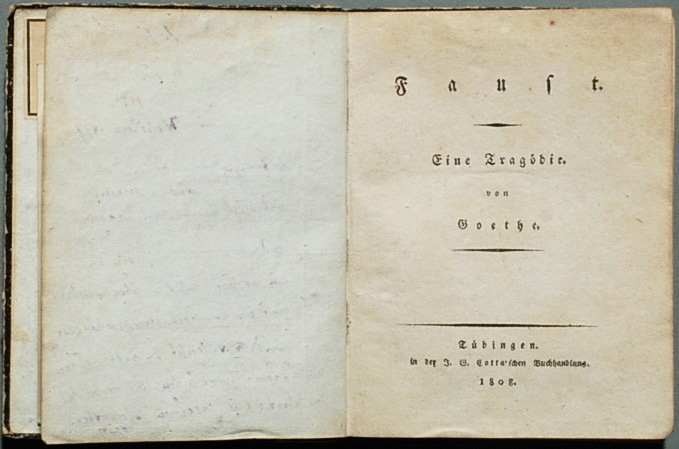
Φάουστ του Γιόχαν Βόλφγκανγκ φον Γκαίτε
Theodoros Kafantaris
Δημοσιεύτηκε στις July 07, 2026
1. Εισαγωγή
Τι θα ανταλλάσσατε για απεριόριστη γνώση, δύναμη και απόλαυση; Την ψυχή σας; Την ανθρωπιά σας; Ο Φάουστ του Γκαίτε—γραμμένος σε έξι δεκαετίες και δημοσιευμένος σε δύο μέρη (1808, 1832)—μεταμορφώνει τον μεσαιωνικό θρύλο ενός λόγιου που πουλά την ψυχή του στον διάβολο στο αριστούργημα που ορίζει τη γερμανική λογοτεχνία. Ο Γκαίτε χρειάστηκε ολόκληρη τη ζωή του για να το ολοκληρώσει· εύστοχα, το ίδιο το έργο πραγματεύεται μια ζωή αγώνα, αποτυχίας και νέου αγώνα.
2. Σχετικά με τον Συγγραφέα
Ο Γιόχαν Βόλφγκανγκ φον Γκαίτε (1749-1832) υπήρξε μια από τις πιο πολυσχιδείς προσωπικότητες της ευρωπαϊκής ιστορίας: ποιητής, μυθιστοριογράφος, θεατρικός συγγραφέας, φυσικός επιστήμονας, πολιτικός και φιλόσοφος. Γεννημένος στη Φρανκφούρτη, σπούδασε νομικά αλλά αφιερώθηκε στη λογοτεχνία και την επιστήμη. Υπήρξε κεντρική μορφή του κινήματος Sturm und Drang και του γερμανικού κλασικισμού. Το έργο του, που περιλαμβάνει αριστουργήματα όπως Τα Πάθη του Νεαρού Βέρθερου και Βίλχελμ Μάιστερ, χαρακτηρίζεται από βαθιά ανθρωπιστικά ιδανικά και μια αδιάκοπη αναζήτηση της γνώσης. Ο Φάουστ θεωρείται το magnum opus του, ένα έργο ζωής που τον συνόδευσε από τη νεότητά του μέχρι τον θάνατό του.
3. Περίληψη της Ιστορίας
Ο Φάουστ του Γκαίτε είναι ένα πολύπλοκο δράμα σε δύο μέρη που αφηγείται την ιστορία του Δρ. Χάινριχ Φάουστ, ενός λόγιου που έχει αφιερώσει τη ζωή του στη μελέτη της φιλοσοφίας, της νομικής, της ιατρικής και της θεολογίας. Παρά την ακαδημαϊκή του αριστεία, ο Φάουστ νιώθει βαθιά απογοήτευση: η γνώση του δεν του έχει προσφέρει καμία ουσιαστική κατανόηση του κόσμου ή της ανθρώπινης ύπαρξης. Σε μια στιγμή απόγνωσης, στρέφεται στη μαγεία και προκαλεί το πνεύμα της Γης, αλλά αποτυγχάνει να το συγκρατήσει. Τότε εμφανίζεται ο Μεφιστοφελής, ένας διάβολος που του προτείνει μια συμφωνία: θα υπηρετήσει τον Φάουστ στη γη, εκπληρώνοντας κάθε του επιθυμία, αλλά αν ο Φάουστ βρει ποτέ μια στιγμή τόσο τέλεια που να θελήσει να μείνει για πάντα, τότε η ψυχή του θα ανήκει στον διάβολο. Ο Φάουστ, πεπεισμένος ότι καμία στιγμή δεν μπορεί να τον ικανοποιήσει πλήρως, δέχεται.
Το πρώτο μέρος επικεντρώνεται στη σχέση του Φάουστ με τη Μαργαρίτα (Γκρέτσεν), μια νεαρή και αθώα κοπέλα. Με τη βοήθεια του Μεφιστοφελή, ο Φάουστ την αποπλανά, αλλά η σχέση τους οδηγεί σε τραγωδία: η Γκρέτσεν μένει έγκυος, ο αδελφός της σκοτώνεται από τον Φάουστ, η μητέρα της πεθαίνει από υπνωτικό, και η ίδια καταλήγει στη φυλακή, καταδικασμένη σε θάνατο για παιδοκτονία. Ο Φάουστ προσπαθεί να τη σώσει, αλλά εκείνη αρνείται να τον ακολουθήσει, προτιμώντας να παραδοθεί στο θέλημα του Θεού. Η ψυχή της σώζεται, ενώ ο Φάουστ παραμένει συντετριμμένος από τις συνέπειες των πράξεών του.
Το δεύτερο μέρος είναι πολύ πιο εκτεταμένο και αλληγορικό. Ο Φάουστ ταξιδεύει στην αυλή ενός χρεοκοπημένου αυτοκράτορα, όπου βοηθά στην επίλυση οικονομικών προβλημάτων μέσω της έκδοσης χαρτονομίσματος. Στη συνέχεια, κατεβαίνει στο βασίλειο των Μητέρων, πρωτόγονων θεοτήτων, και καλεί την Ελένη της Τροίας, σύμβολο της κλασικής ομορφιάς. Παντρεύεται την Ελένη και αποκτά έναν γιο, τον Ευφορίωνα, που συμβολίζει τη ρομαντική ποίηση. Μετά τον θάνατο του γιου τους, η Ελένη επιστρέφει στον κάτω κόσμο. Τέλος, ο Φάουστ αναλαμβάνει ένα μεγάλο έργο αποξήρανσης ελών και δημιουργίας νέας γης, όπου οραματίζεται μια ελεύθερη κοινωνία. Τυφλός και γέρος, στο κατώφλι του θανάτου, φαντάζεται ότι βλέπει το όνειρό του να πραγματοποιείται και λέει: «Μείνε, είσαι τόσο όμορφη!»—τη στιγμή που θα έπρεπε να τον καταδικάσει. Ωστόσο, οι άγγελοι αρπάζουν την ψυχή του, δηλώνοντας ότι όποιος αγωνίζεται με όλη του τη δύναμη μπορεί να λυτρωθεί. Το έργο κλείνει με μια ουράνια σκηνή όπου η ψυχή του Φάουστ σώζεται, αποδεικνύοντας ότι η αδιάκοπη προσπάθεια υπερτερεί των λαθών.
4. Βασικά Συμπεράσματα
- Η προσπάθεια μας καθορίζει: Δεν είναι η επιτυχία αλλά η ίδια η προσπάθεια που δίνει νόημα στη ζωή. Ο Φάουστ λυτρώνεται όχι επειδή ήταν τέλειος, αλλά επειδή ποτέ δεν σταμάτησε να αγωνίζεται.
- Η γνώση χωρίς εμπειρία είναι κενή: Ο Φάουστ πρέπει να μάθει να αισθάνεται όσο και να σκέφτεται. Η ακαδημαϊκή του μάθηση τον αφήνει ανικανοποίητο· μόνο μέσω της βιωμένης εμπειρίας βρίσκει ουσιαστική κατανόηση.
- Η λύτρωση είναι πάντα δυνατή: Το σύμπαν του Γκαίτε είναι τελικά ελεήμον προς εκείνους που συνεχίζουν να προσπαθούν. Ακόμα και μετά από τόσα λάθη, η ψυχή του Φάουστ σώζεται.
- Το ταξίδι έχει μεγαλύτερη σημασία από τον προορισμό: Το στοίχημα του Φάουστ κερδίζεται όχι μέσω μιας τέλειας στιγμής, αλλά μέσω μιας ζωής διαρκούς γίγνεσθαι. Η ομορφιά βρίσκεται στη διαδικασία, όχι στο αποτέλεσμα.
5. Γιατί Αυτό το Βιβλίο Είναι Απαραίτητο να Διαβαστεί
Ο Φάουστ δεν είναι απλώς ένα λογοτεχνικό αριστούργημα· είναι ένα φιλοσοφικό ταξίδι που θέτει τα θεμελιώδη ερωτήματα της ανθρώπινης ύπαρξης: Τι είναι η ευτυχία; Ποιο είναι το νόημα της ζωής; Μπορεί η λύτρωση να επιτευχθεί μέσω της πράξης; Ο Γκαίτε συνδυάζει την ποίηση με τη βαθιά σκέψη, δημιουργώντας ένα έργο που συνεχίζει να εμπνέει και να προκαλεί αναγνώστες εδώ και δύο αιώνες. Η πολυπλοκότητά του, η θεματική του βάθος και η αισθητική του ομορφιά το καθιστούν απαραίτητο ανάγνωσμα για όποιον ενδιαφέρεται για τη λογοτεχνία, τη φιλοσοφία ή την ανθρώπινη ψυχή. Διαβάζοντας τον Φάουστ, δεν γνωρίζουμε απλώς μια ιστορία· συμμετέχουμε σε έναν διάλογο με την ίδια την ουσία της ζωής.


