
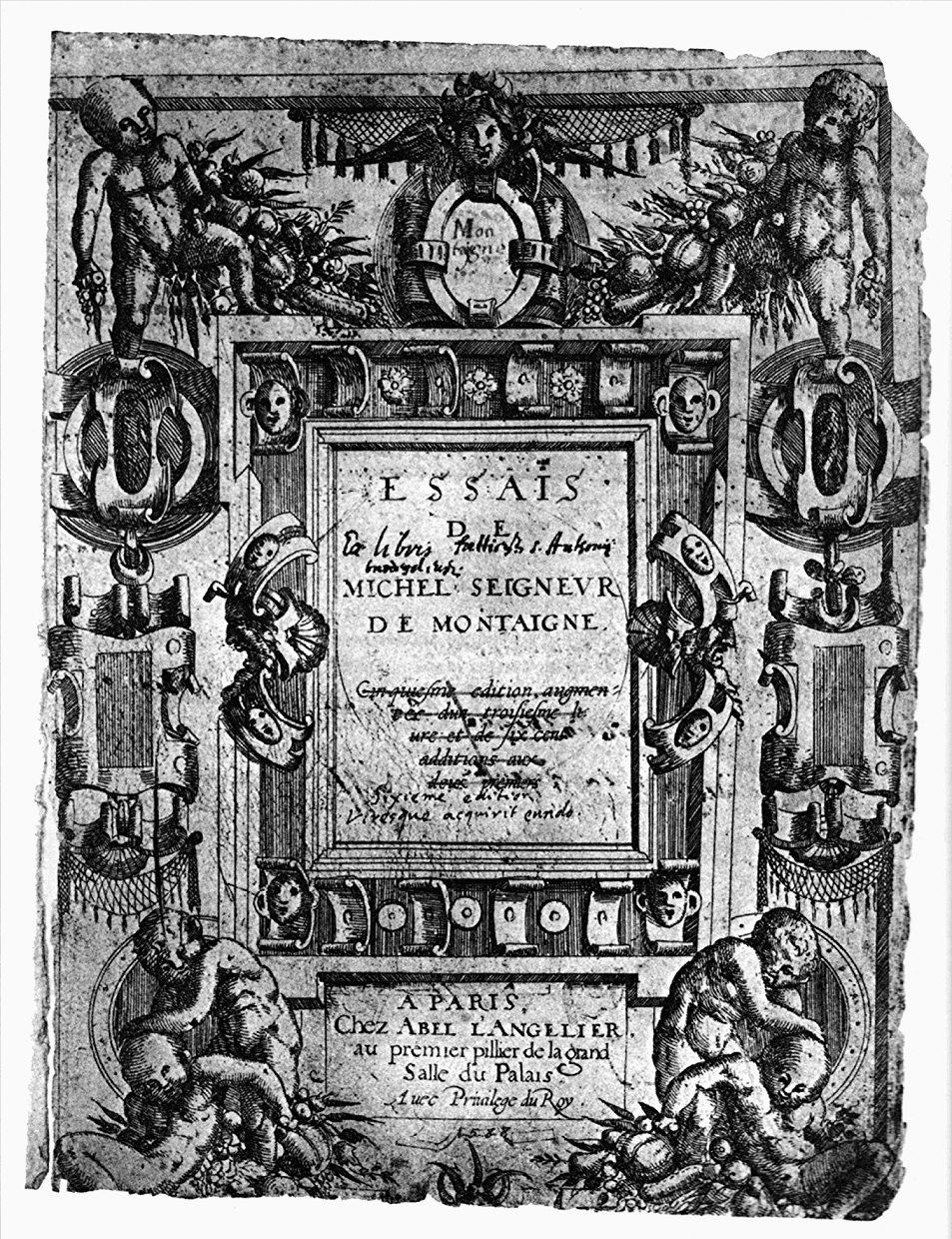
Δοκίμια του Μισέλ ντε Μονταίν
Theodoros Kafantaris
Δημοσιεύτηκε στις July 08, 2026
1. Εισαγωγή
«Εγώ ο ίδιος είμαι η ύλη του βιβλίου μου.» Ο Μισέλ ντε Μονταίν (1533-1592) αποσύρθηκε από τη δημόσια ζωή σε ηλικία 38 ετών και άρχισε να γράφει—όχι πραγματείες ή απομνημονεύματα, αλλά δοκίμια: απόπειρες να αποτυπώσει την κίνηση του ίδιου του μυαλού του. Το αποτέλεσμα ήταν μια νέα λογοτεχνική μορφή και ένας νέος τρόπος να είσαι άνθρωπος. Ο Μονταίν έγραψε για αντίχειρες, κανίβαλους, ύπνο, φόβο, φιλία και τα τελευταία λόγια του Σωκράτη—όλα φιλτραρισμένα μέσα από μια συνείδηση εξαιρετικής ειλικρίνειας και γοητείας.
2. Σχετικά με τον Συγγραφέα
Ο Μισέλ ντε Μονταίν ήταν Γάλλος φιλόσοφος της Αναγέννησης, γεννημένος το 1533 σε πλούσια οικογένεια. Υπηρέτησε ως δικαστής και δήμαρχος του Μπορντό πριν αποσυρθεί στην περιουσία του για να γράψει. Η ζωή του σημαδεύτηκε από τους θρησκευτικούς πολέμους μεταξύ Καθολικών και Προτεσταντών, ωστόσο διατήρησε μια μετριοπαθή, σκεπτικιστική στάση. Το μοναδικό σημαντικό έργο του, τα Δοκίμια, δημοσιεύτηκε σε τρεις τόμους μεταξύ 1580 και 1588, και συνέχισε να τα αναθεωρεί μέχρι τον θάνατό του το 1592. Η επιρροή του Μονταίν εκτείνεται μέσω του Σαίξπηρ, του Πασκάλ, του Νίτσε και κάθε συγγραφέα που έχει προσπαθήσει να σκεφτεί με ειλικρίνεια.
3. Περίληψη της Ιστορίας
Τα Δοκίμια δεν είναι μια γραμμική αφήγηση αλλά μια συλλογή στοχασμών πάνω σε μια τεράστια ποικιλία θεμάτων. Ο Μονταίν εξερευνά θέματα όπως η φιλία, η εκπαίδευση, ο θάνατος και η φύση της γνώσης. Χρησιμοποιεί προσωπικές ανεκδοτολογίες, κλασικά αποφθέγματα και φιλοσοφικά επιχειρήματα για να εξετάσει την ανθρώπινη εμπειρία. Το μότο του, «Que sais-je?» (Τι γνωρίζω;), υποστηρίζει την σκεπτικιστική του προσέγγιση. Αμφισβητεί την αυθεντία, την παράδοση και τη βεβαιότητα, υποστηρίζοντας την ανεκτικότητα και την αυτογνωσία. Τα δοκίμια είναι οικεία και συνομιλητικά, σαν ο αναγνώστης να ακούει έναν σοφό φίλο να σκέφτεται δυνατά.
4. Βασικά Συμπεράσματα
- Ο εαυτός είναι το μόνο θέμα που πραγματικά γνωρίζουμε — Η εστίαση του Μονταίν στην ενδοσκόπηση αποκαλύπτει την πολυπλοκότητα και τη ρευστότητα της ανθρώπινης φύσης.
- Η αμφιβολία είναι πιο έντιμη από τη βεβαιότητα — Ο σκεπτικισμός του αμφισβητεί το δόγμα και ενθαρρύνει την ανοιχτόμυαλη διερεύνηση.
- Το δοκίμιο είναι η μορφή της ελευθερίας — Το περιπλανώμενο ύφος του Μονταίν αντικατοπτρίζει τη φυσική κίνηση της σκέψης, προσφέροντας ένα πρότυπο για αυθεντική έκφραση.
5. Γιατί Αυτό το Βιβλίο Είναι Απαραίτητο να Διαβαστεί
Τα Δοκίμια του Μονταίν είναι ένας διαχρονικός οδηγός για να ζήσει κανείς μια στοχαστική, εξετασμένη ζωή. Σε μια εποχή υπερφόρτωσης πληροφοριών και πόλωσης απόψεων, ο σκεπτικισμός και η ταπεινοφροσύνη του προσφέρουν ένα δροσερό αντίδοτο. Μας διδάσκει να αγκαλιάζουμε την αβεβαιότητα, να γνωρίζουμε τον εαυτό μας και να προσεγγίζουμε τον κόσμο με περιέργεια και συμπόνια. Είτε είστε φιλόσοφος είτε απλός αναγνώστης, η φωνή του Μονταίν θα σας προκαλέσει και θα σας ενθουσιάσει. Αυτό το βιβλίο δεν είναι απλώς για να διαβαστεί αλλά για να ζήσει κανείς μαζί του—ένας σύντροφος για το ταξίδι της αυτοανακάλυψης.


