
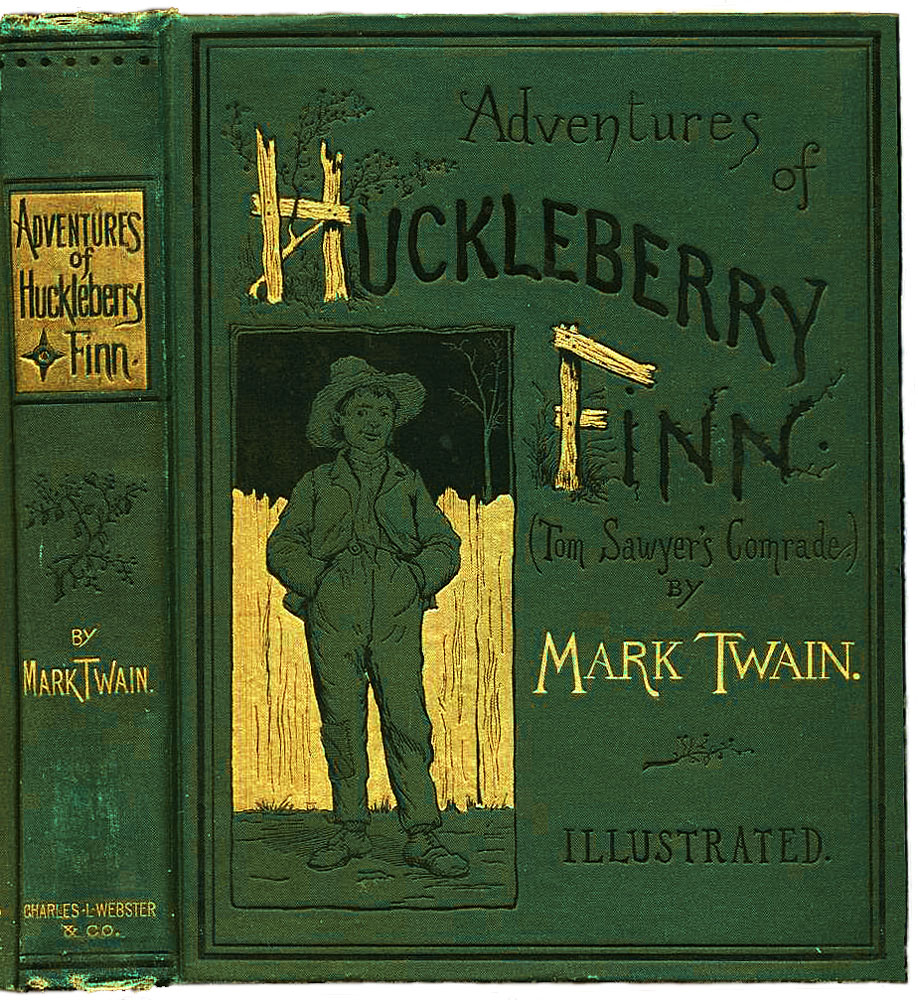
Οι Περιπέτειες του Χάκλμπερι Φιν του Μαρκ Τουέιν
Theodoros Kafantaris
Δημοσιεύτηκε στις July 08, 2026
1. Εισαγωγή
«Όλη η σύγχρονη αμερικανική λογοτεχνία προέρχεται από ένα βιβλίο του Μαρκ Τουέιν, το Χάκλμπερι Φιν». Ο Έρνεστ Χέμινγουεϊ δεν υπερέβαλλε. Δημοσιευμένο το 1884, το μυθιστόρημα του Τουέιν ακολουθεί τον Χακ Φιν, που προσποιείται τον φόνο του για να ξεφύγει από τον βάναυσο πατέρα του, και τον Τζιμ, έναν σκλαβωμένο άνδρα που δραπετεύει προς την ελευθερία. Το ταξίδι τους στον Μισισιπή πάνω σε μια σχεδία είναι ταυτόχρονα μια παιδική περιπέτεια και η πιο βαθιά ηθική διαπαιδαγώγηση στην αμερικανική λογοτεχνία.
2. Σχετικά με τον Συγγραφέα
Ο Μαρκ Τουέιν (λογοτεχνικό ψευδώνυμο του Σάμιουελ Λάνγκχορν Κλέμενς, 1835–1910) υπήρξε ένας από τους σημαντικότερους Αμερικανούς συγγραφείς και σατιρικούς. Μεγαλωμένος στο Μιζούρι, εργάστηκε ως τυπογράφος, πιλότος ατμόπλοιου και δημοσιογράφος, εμπειρίες που διαμόρφωσαν το μοναδικό ύφος του. Το Χάκλμπερι Φιν θεωρείται το αριστούργημά του, ενώ άλλα γνωστά έργα του περιλαμβάνουν το Οι Περιπέτειες του Τομ Σόγιερ και το Ένας Γιάνκης στην Αυλή του Βασιλιά Αρθούρου. Η γραφή του χαρακτηρίζεται από χιούμορ, κοινωνική κριτική και βαθιά κατανόηση της ανθρώπινης φύσης.
3. Περίληψη της Ιστορίας
Το μυθιστόρημα ξεκινά με τον Χακ Φιν, ένα αγόρι που ζει στο Σεντ Πίτερσμπεργκ του Μιζούρι, υπό την κηδεμονία της χήρας Ντάγκλας και της αυστηρής δεσποινίδας Γουάτσον. Ο βάναυσος πατέρας του, ο Παπ Φιν, επιστρέφει και απαιτεί τα χρήματα του Χακ, απαγάγοντάς τον σε μια καλύβα στο δάσος. Για να δραπετεύσει, ο Χακ σκηνοθετεί τον θάνατό του και καταφεύγει στο νησί Τζάκσον, όπου συναντά τον Τζιμ, έναν σκλάβο της δεσποινίδας Γουάτσον, ο οποίος δραπετεύει φοβούμενος ότι θα πουληθεί στον Νότο. Μαζί, ξεκινούν ένα ταξίδι με σχεδία στον ποταμό Μισισιπή, με προορισμό το Κάιρο του Ιλινόι, όπου ο Τζιμ ελπίζει να βρει ελευθερία.
Κατά τη διάρκεια του ταξιδιού, ο Χακ και ο Τζιμ αντιμετωπίζουν πολλές περιπέτειες. Συναντούν δύο απατεώνες, τον «Δούκα» και τον «Βασιλιά», που τους εξαπατούν και δημιουργούν χάος. Ο Χακ βιώνει μια βαθιά ηθική κρίση όταν συνειδητοποιεί ότι βοηθώντας τον Τζιμ να δραπετεύσει, παραβαίνει τους νόμους και τις ηθικές επιταγές της κοινωνίας του. Σε μια κρίσιμη στιγμή, γράφει ένα γράμμα για να προδώσει τον Τζιμ, αλλά το σκίζει λέγοντας: «Εντάξει, λοιπόν, θα πάω στην κόλαση». Αυτή η απόφαση σηματοδοτεί την ηθική του ωρίμανση.
Η αφήγηση κορυφώνεται όταν ο Τομ Σόγιερ εμφανίζεται και βοηθά τον Χακ να ελευθερώσει τον Τζιμ, ο οποίος έχει συλληφθεί. Ο Τομ επιμένει σε ένα περίπλοκο σχέδιο απόδρασης, που οδηγεί σε κωμικές καταστάσεις. Στο τέλος, αποκαλύπτεται ότι η δεσποινίς Γουάτσον είχε ήδη ελευθερώσει τον Τζιμ στη διαθήκη της, και ο Παπ Φιν είναι νεκρός. Ο Χακ, ανήσυχος να μην «πολιτιστεί» ξανά, αποφασίζει να φύγει για την Επικράτεια των Ινδιάνων, αναζητώντας νέες περιπέτειες. Το μυθιστόρημα εξερευνά θέματα όπως η ελευθερία, η φυλετική ανισότητα, η υποκρισία του «πολιτισμού» και η ηθική αυτονομία.
4. Βασικά Συμπεράσματα
- Η συνείδηση μπορεί να κάνει λάθος: Ο Χακ μαθαίνει ότι η κοινωνική ηθική δεν είναι πάντα σωστή. Η προσωπική του κρίση, που τον οδηγεί να βοηθήσει τον Τζιμ, υπερισχύει των διδαγμάτων της εποχής του.
- Μια σχεδία σε ένα ποτάμι είναι η εικόνα της αμερικανικής ελευθερίας: Η σχεδία συμβολίζει έναν χώρο ελευθερίας και ισότητας, μακριά από τις κοινωνικές συμβάσεις και την υποκρισία της ξηράς.
- Η ηθική μαθαίνεται μέσω της εμπειρίας, όχι της διδασκαλίας: Ο Χακ δεν διδάσκεται την ηθική από βιβλία ή κηρύγματα, αλλά μέσα από τις πράξεις του και τη σχέση του με τον Τζιμ.
5. Γιατί Αυτό το Βιβλίο Είναι Απαραίτητο να Διαβαστεί
Το Οι Περιπέτειες του Χάκλμπερι Φιν παραμένει ένα από τα σημαντικότερα έργα της αμερικανικής λογοτεχνίας, όχι μόνο για την αφηγηματική του δύναμη αλλά και για την τολμηρή του κριτική στον ρατσισμό και την υποκρισία. Η χρήση της καθομιλουμένης γλώσσας και η ρεαλιστική απεικόνιση της ζωής στον Μισισιπή έφεραν επανάσταση στη λογοτεχνία. Παρά τις αντιπαραθέσεις που έχει προκαλέσει για τη γλώσσα του, το μυθιστόρημα προσφέρει ένα βαθύ μάθημα ανθρωπιάς και ηθικής αυτονομίας. Είναι απαραίτητο ανάγνωσμα για όποιον θέλει να κατανοήσει την αμερικανική ταυτότητα και τη δύναμη της λογοτεχνίας να αμφισβητεί τις κοινωνικές νόρμες.


