
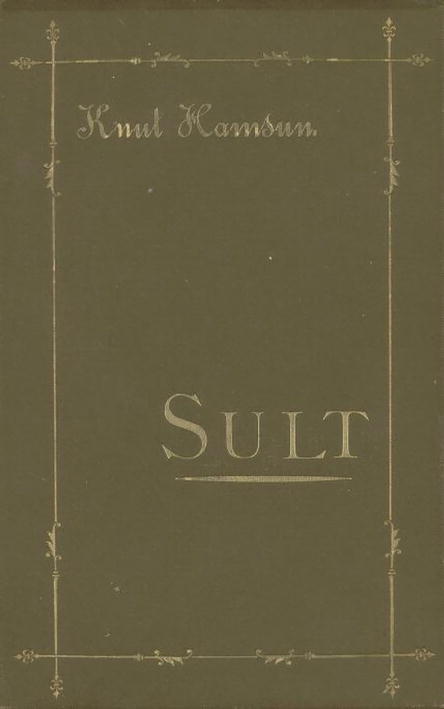
Πείνα του Κνουτ Χάμσουν
Theodoros Kafantaris
Δημοσιεύτηκε στις July 08, 2026
1. Εισαγωγή
Ένας ανώνυμος συγγραφέας λιμοκτονεί στους δρόμους της Κριστιάνια (Όσλο). Είναι πολύ περήφανος για να δεχτεί ελεημοσύνη, πολύ πεινασμένος για να γράψει, πολύ παραληρηματικός για να ξεχωρίσει τη φαντασία από την πραγματικότητα. Το Πείνα (1890) του Κνουτ Χάμσουν ήταν ένα σοκ για την ευρωπαϊκή λογοτεχνία—ένα μυθιστόρημα που εγκατέλειψε την πλοκή και τον κοινωνικό σχολιασμό για την ωμή, αφιλτράριστη εσωτερική εμπειρία ενός μυαλού που καταρρέει υπό ακραία σωματική στέρηση.
2. Σχετικά με τον Συγγραφέα
Ο Κνουτ Χάμσουν (1859–1952) ήταν Νορβηγός συγγραφέας που κέρδισε το Νόμπελ Λογοτεχνίας το 1920. Η ζωή του ήταν γεμάτη αντιθέσεις: από φτωχά παιδικά χρόνια σε μια αγροτική περιοχή της Νορβηγίας, έγινε ένας από τους πιο σημαντικούς λογοτέχνες της Ευρώπης. Το Πείνα είναι το πρώτο του μείζον έργο, γραμμένο σε μια περίοδο προσωπικής οικονομικής δυσπραγίας. Ο Χάμσουν υπήρξε πρωτοπόρος του μοντερνισμού, επηρεάζοντας βαθιά συγγραφείς όπως ο Φραντς Κάφκα, ο Έρνεστ Χέμινγουεϊ και ο Χένρι Μίλερ. Ωστόσο, η φήμη του αμαυρώθηκε από τη ναζιστική του συμπάθεια κατά τη διάρκεια του Β' Παγκοσμίου Πολέμου.
3. Περίληψη της Ιστορίας
Το Πείνα αφηγείται την ιστορία ενός ανώνυμου νεαρού συγγραφέα που περιπλανιέται στους δρόμους της Κριστιάνια (σημερινό Όσλο) σε κατάσταση ακραίας πείνας. Χωρίς χρήματα, χωρίς φαγητό και συχνά χωρίς στέγη, ο αφηγητής παλεύει να επιβιώσει ενώ προσπαθεί να πουλήσει άρθρα σε εφημερίδες. Η περηφάνια του τον εμποδίζει να ζητήσει βοήθεια ή να δεχτεί ελεημοσύνη, οδηγώντας τον σε μια σπείρα σωματικής και ψυχικής κατάρρευσης.
Το μυθιστόρημα χωρίζεται σε τέσσερα μέρη, το καθένα από τα οποία απεικονίζει μια διαφορετική φάση της πείνας. Στο πρώτο μέρος, ο αφηγητής είναι ακόμα σχετικά λειτουργικός, αλλά η πείνα αρχίζει να επηρεάζει τη σκέψη του. Συναντά μια μυστηριώδη γυναίκα, την Υλαγιάλη, και έχει παράξενες συναναστροφές. Στο δεύτερο μέρος, η κατάσταση επιδεινώνεται: πουλάει τα υπάρχοντά του, κοιμάται σε παγκάκια και βιώνει παραισθήσεις. Στο τρίτο μέρος, η πείνα γίνεται αφόρητη, και ο αφηγητής χάνει την αίσθηση του χρόνου και της πραγματικότητας. Στο τέταρτο μέρος, αποφασίζει να εγκαταλείψει την πόλη και να καταταγεί σε ένα πλοίο, σε μια αμφίβολη απόπειρα σωτηρίας.
Κεντρικά θέματα του βιβλίου είναι η αποξένωση, η παράνοια και η σύγκρουση μεταξύ σώματος και νου. Ο Χάμσουν χρησιμοποιεί μια πρωτοπρόσωπη αφήγηση που βυθίζει τον αναγνώστη στην υποκειμενική εμπειρία του ήρωα, με συνεχείς εναλλαγές διάθεσης, παραισθήσεις και λογοτεχνικές αναφορές. Η γραφή είναι λυρική αλλά και ωμή, με έντονη αίσθηση του παραλόγου. Ο αφηγητής είναι ταυτόχρονα συμπαθής και αποκρουστικός, καθώς η περηφάνια του τον οδηγεί σε αυτοκαταστροφικές συμπεριφορές, όπως το να δίνει τα τελευταία του χρήματα σε έναν ζητιάνο ή να επινοεί περίπλοκες ιστορίες για να εντυπωσιάσει.
Η σημασία του Πείνα έγκειται στην πρωτοποριακή του μορφή: είναι ένα από τα πρώτα μυθιστορήματα που εστιάζουν αποκλειστικά στην εσωτερική ζωή ενός χαρακτήρα, απορρίπτοντας την παραδοσιακή πλοκή και τον κοινωνικό ρεαλισμό. Ο Χάμσουν ανοίγει τον δρόμο για τον μοντερνισμό, επηρεάζοντας βαθιά την εξέλιξη της λογοτεχνίας του 20ού αιώνα.
4. Βασικά Συμπεράσματα
- Το μυαλό υπό πίεση είναι το πραγματικό θέμα: Το Πείνα δεν ενδιαφέρεται για την πλοκή ή την κοινωνική κριτική, αλλά για την υποκειμενική εμπειρία ενός ανθρώπου που λιμοκτονεί. Ο Χάμσουν αποτυπώνει με ακρίβεια τις ψυχολογικές διακυμάνσεις, τις παραισθήσεις και την παράνοια που προκαλεί η πείνα.
- Η περηφάνια μπορεί να είναι μια μορφή αυτοκαταστροφής: Ο αφηγητής αρνείται να ζητήσει βοήθεια ή να δεχτεί ελεημοσύνη, ακόμα και όταν βρίσκεται στα πρόθυρα του θανάτου. Η περηφάνια του τον οδηγεί σε παράλογες πράξεις, όπως το να δίνει τα τελευταία του χρήματα σε άλλους, αποκαλύπτοντας μια βαθιά ανθρώπινη αντίφαση.
- Ο μοντερνισμός ξεκίνησε από το στομάχι: Το Πείνα θεωρείται ένα από τα πρώτα μοντερνιστικά μυθιστορήματα, καθώς εγκαταλείπει την παραδοσιακή αφήγηση και επικεντρώνεται στην εσωτερική ροή συνείδησης. Η επιρροή του είναι εμφανής σε συγγραφείς όπως ο Τζόις, η Γουλφ και ο Κάφκα.
5. Γιατί Αυτό το Βιβλίο Είναι Απαραίτητο να Διαβαστεί
Το Πείνα είναι ένα αριστούργημα του μοντερνισμού που παραμένει επίκαιρο για την ωμή απεικόνιση της ανθρώπινης ψυχής σε ακραίες συνθήκες. Προσφέρει μια μοναδική λογοτεχνική εμπειρία, όπου η γραφή γίνεται το ίδιο το θέμα. Είναι ένα βιβλίο που προκαλεί, συγκινεί και ανατρέπει τις προσδοκίες, αποδεικνύοντας ότι η μεγάλη λογοτεχνία δεν χρειάζεται πλοκή ή ηθικά διδάγματα—αρκεί η αλήθεια της ανθρώπινης εμπειρίας.


