
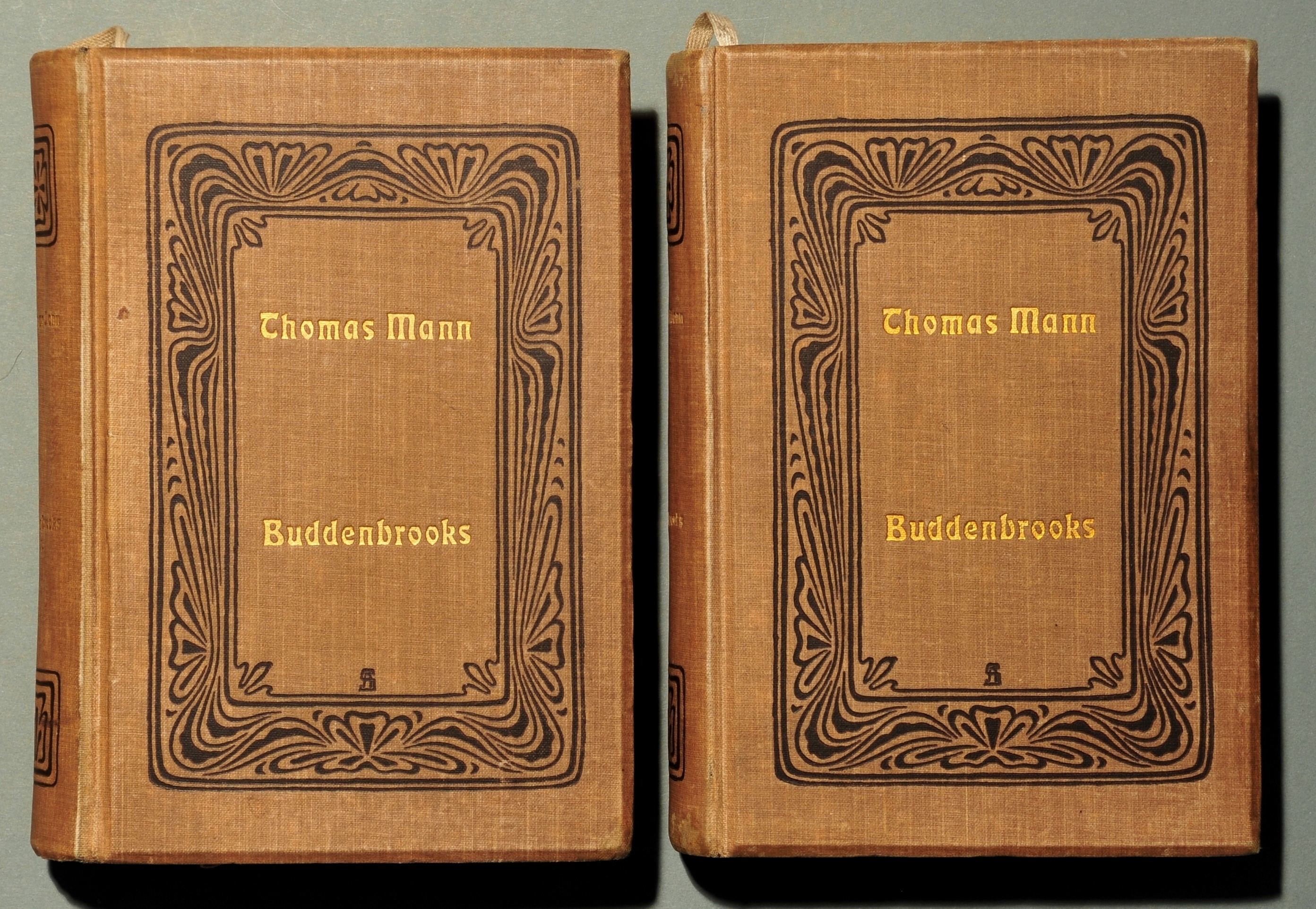
Οι Μπούντενμπροκ του Τόμας Μαν
Theodoros Kafantaris
Δημοσιεύτηκε στις July 08, 2026
1. Εισαγωγή
Ο Τόμας Μαν ήταν μόλις 25 ετών όταν δημοσίευσε το Οι Μπούντενμπροκ (1901), ένα μυθιστόρημα που παρακολουθεί τέσσερις γενιές μιας εμπορικής οικογένειας του Λύμπεκ από την ευημερία μέχρι τη σταδιακή παρακμή. Η επιτροπή των Βραβείων Νόμπελ το ανέφερε ως τον κύριο λόγο για την απονομή του βραβείου. Παραμένει ένα από τα μεγάλα οικογενειακά έπη—δίπλα στο Εκατό Χρόνια Μοναξιάς και τον Πόλεμο και Ειρήνη—αλλά ο τόνος του είναι πιο πένθιμος παρά ζωηρός.
2. Σχετικά με τον Συγγραφέα
Ο Τόμας Μαν (1875–1955) ήταν Γερμανός μυθιστοριογράφος, δοκιμιογράφος και βραβευμένος με Νόμπελ Λογοτεχνίας (1929). Γεννημένος στο Λύμπεκ, προερχόταν από μια πλούσια εμπορική οικογένεια, γεγονός που του έδωσε προσωπική γνώση του κόσμου που περιγράφει. Τα έργα του συχνά εξερευνούν την ένταση μεταξύ τέχνης και ζωής, παράδοσης και νεωτερικότητας. Άλλα σημαντικά έργα περιλαμβάνουν το Το Μαγικό Βουνό και το Θάνατος στη Βενετία.
3. Περίληψη της Ιστορίας
Το μυθιστόρημα ξεκινά το 1835, με τον Γιόχαν Μπούντενμπροκ, έναν δυναμικό έμπορο σιτηρών, να εδραιώνει την οικογενειακή επιχείρηση. Ο γιος του, Ζαν, συνεχίζει με επιτυχία, αλλά η επόμενη γενιά—ο Τόμας και ο Κρίστιαν—παρουσιάζει ρωγμές. Ο Τόμας, αν και ικανός, είναι υπερβολικά αφοσιωμένος στην εικόνα και την κοινωνική θέση, ενώ ο Κρίστιαν είναι ασταθής και αποτυγχάνει. Η αδελφή τους Τόνι παντρεύεται κακώς, φέρνοντας ντροπή. Ο γιος του Τόμας, Χάννο, είναι ένα ευαίσθητο, καλλιτεχνικό παιδί που απεχθάνεται την επιχείρηση και βρίσκει παρηγοριά μόνο στη μουσική. Η ιστορία κορυφώνεται με τον θάνατο του Χάννο από τύφο σε ηλικία 15 ετών, σηματοδοτώντας το τέλος της γραμμής.
Ο Μαν χρησιμοποιεί μια λεπτομερή, σχεδόν ντοκιμαντερίστικη αφήγηση, με έντονη εστίαση στην ψυχολογία των χαρακτήρων. Η πλοκή εκτυλίσσεται αργά, με κάθε κεφάλαιο να αποκαλύπτει μια σταδιακή φθορά. Τα θέματα περιλαμβάνουν την παρακμή, την αντίθεση μεταξύ τέχνης και εμπορίου, και την αναπόφευκτη πτώση των δυναστειών. Η αφήγηση είναι γραμμική, αλλά διανθίζεται με αναδρομές και εσωτερικούς μονολόγους. Οι χαρακτήρες είναι βαθιά ανθρώπινοι, με τα ελαττώματά τους να προβάλλονται ανελέητα.
Σημαντικές σκηνές περιλαμβάνουν το οικογενειακό δείπνο όπου αποκαλύπτονται οι εντάσεις, την αποτυχημένη επιχειρηματική συμφωνία του Τόμας, και τον θάνατο του Χάννο, που περιγράφεται με συγκλονιστική λεπτομέρεια. Το μυθιστόρημα είναι ένας θρήνος για έναν κόσμο που χάνεται, αλλά και μια βαθιά διερεύνηση της ανθρώπινης κατάστασης.
4. Βασικά Συμπεράσματα
- Η παρακμή ακολουθεί την ευημερία: Κάθε γενιά Μπούντενμπροκ είναι πιο αδύναμη από την προηγούμενη, όχι σωματικά αλλά πνευματικά, καθώς η άνεση και ο πολιτισμός αποδυναμώνουν την ικανότητα για σκληρές αποφάσεις.
- Η τέχνη και οι επιχειρήσεις είναι θανάσιμοι εχθροί: Ο Μαν υποστηρίζει ότι η καλλιτεχνική ευαισθησία είναι ασύμβατη με την εμπορική πραγματικότητα, οδηγώντας στην καταστροφή.
- Μια οικογένεια είναι μια τραγωδία σε αργή κίνηση: Το μυθιστόρημα δείχνει πώς οι οικογενειακές δυναμικές και οι ανεκπλήρωτες φιλοδοξίες οδηγούν αναπόφευκτα στην πτώση.
5. Γιατί Αυτό το Βιβλίο Είναι Απαραίτητο να Διαβαστεί
Το Οι Μπούντενμπροκ είναι ένα αριστούργημα της λογοτεχνίας που συνδυάζει κοινωνική κριτική, ψυχολογικό βάθος και αφηγηματική δεξιοτεχνία. Προσφέρει μια διαχρονική εξερεύνηση της ανθρώπινης φύσης και της φθοράς, ενώ παράλληλα αποτελεί ένα συναρπαστικό οικογενειακό έπος. Η επιρροή του σε μεταγενέστερους συγγραφείς είναι ανυπολόγιστη, και η ανάγνωσή του είναι απαραίτητη για όποιον ενδιαφέρεται για τη λογοτεχνία του 20ού αιώνα.


