
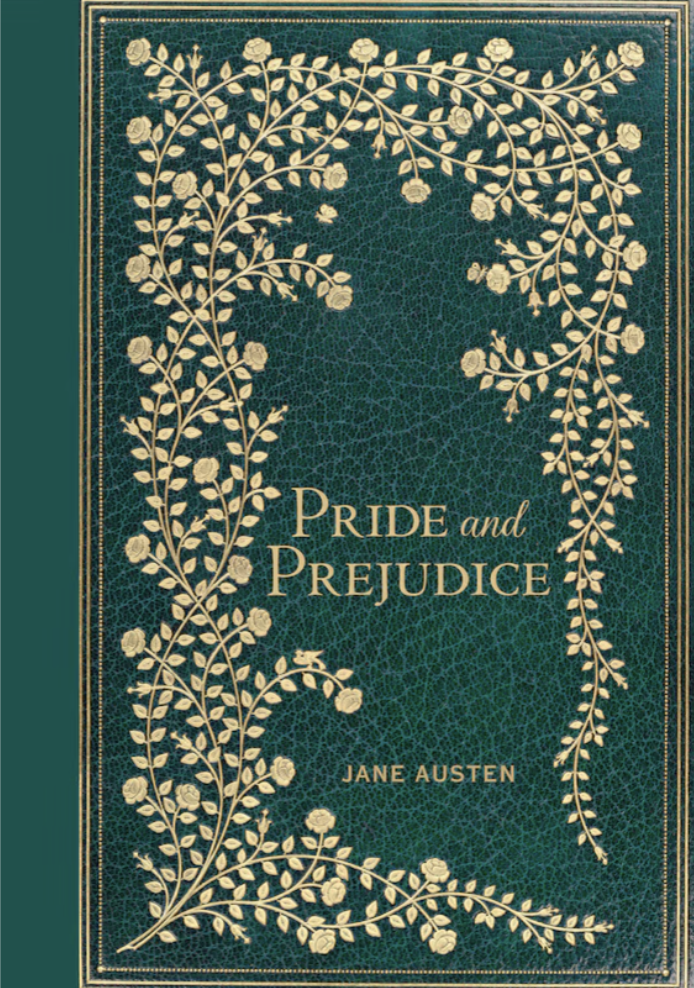
Pride and Prejudice by Jane Austen
Theodoros Kafantaris
Published on November 29, 2025
1. Introduction
Few novels have danced through the centuries with quite the same charm, wit, and cultural staying power as Jane Austen’s Pride and Prejudice. First published in 1813, it continues to enchant readers with its sparkling dialogue, razor-sharp social commentary, and enduring romance. This is the book that gave us one of literature’s most beloved couples—Elizabeth Bennet and Mr. Darcy—and introduced generations to the intricate ballet of manners, marriage, and misunderstandings in Regency England.
Beyond being a delightful read, Pride and Prejudice has influenced everything from modern rom-coms to academic debates about class, gender, and social expectation. It’s not just a novel—it’s a cultural touchstone that still feels surprisingly fresh.
2. About the Author: Jane Austen
Jane Austen (1775–1817) remains one of the most influential voices in English literature. Living during a time when women had limited legal and financial autonomy, she crafted stories that quietly—but boldly—examined society, marriage, economic pressure, and individual agency.
Her major works include Sense and Sensibility, Emma, Mansfield Park, Northanger Abbey, and Persuasion. Across them all, Austen’s signature style shines: crisp wit, realistic heroines, beautifully structured plots, and a talent for exposing social absurdity with laser precision.
Interesting fact: For much of her life, Austen published anonymously—her books were originally credited only to “A Lady.” It wasn’t until after her death that her identity became publicly attached to her novels.
3. Story Overview
A. The Bennet Household and the Arrival of Mr. Bingley
We begin in the lively Bennet home, where five very different sisters are encouraged—some gently, some aggressively—to marry well to secure the family’s future. Enter Mr. Bingley, an affable and wealthy bachelor, and his more reserved friend, Mr. Fitzwilliam Darcy. Mrs. Bennet is ecstatic; Elizabeth Bennet, intelligent and spirited, is less impressed—particularly by Darcy’s arrogant first impressions.
The ball where Darcy dismisses Elizabeth as “tolerable” but “not handsome enough” sets the tone for one of literature’s most iconic slow-burn relationships.
B. Courtships, Clashes, and Character Revelations
As Bingley and Jane (Elizabeth’s gentle, kind older sister) begin to fall for each other, Elizabeth finds herself repeatedly sparring with Darcy. Their encounters reveal a clash not just of personality but of pride, prejudice, and wildly different assumptions about class and character.
Meanwhile, a charming military officer, Mr. Wickham, shares a persuasive—and misleading—story that paints Darcy in a villainous light. Elizabeth’s opinion of Darcy plummets, setting the stage for misjudgments on both sides.
C. The Proposal Gone Wrong
In what may be the most awkward proposal ever written, Darcy confesses his love to Elizabeth while simultaneously insulting her social standing. She rejects him with equal force, citing his interference in Bingley and Jane’s romance and his treatment of Wickham. Darcy’s reaction? A surprisingly heartfelt letter that flips the narrative upside down.
The letter becomes a turning point—Elizabeth realizes she may have been wrong. Darcy realizes he must change how he relates to others. Growth, humility, and self-reflection suddenly enter a story that once seemed built on witty banter alone.
D. Crisis, Chaos, and Redemption
When reckless younger sister Lydia runs away with Wickham, scandal threatens the entire Bennet family. Darcy intervenes quietly behind the scenes, arranging the marriage that saves the family’s reputation. His actions—done without expectation of praise—reveal his true character.
This transformation paves the way for renewed understanding between him and Elizabeth, culminating in a second proposal, significantly less insulting and significantly more welcome.
E. A Conclusion of Love, Maturity, and Mutual Respect
By the novel’s end, misunderstandings have cleared, couples have united, and Austen has subtly dissected the social norms of her era. Elizabeth and Darcy’s marriage is not just romantic; it represents growth, equality of minds, and the triumph of genuine character over superficial judgment.
4. Key Takeaways
-
First impressions can mislead. Austen shows us how initial judgments—positive or negative—are often incomplete.
-
Personal growth fuels true partnership. Both Elizabeth and Darcy must change before they can build a healthy relationship.
-
Social norms shape relationships. Class expectations and economic realities deeply influence the characters’ choices.
-
Integrity matters more than reputation. Characters like Darcy reveal their values through actions done privately, not performatively.
-
Wit is a powerful tool. Elizabeth’s intelligence and humor help her navigate—and challenge—the constraints of her time.
5. Why This Book Is a Must Read
Pride and Prejudice earns its place in the “100 Books You Must Read” series because it is timeless, insightful, and surprisingly modern in its portrayal of relationships and self-discovery. Jane Austen’s exploration of love, class, and personal growth continues to resonate across centuries, cultures, and genres. Whether you’re reading it for its humor, its romance, or its sharp social commentary, this is a novel that rewards readers again and again.

