
One Thousand and One Nights
Theodoros Kafantaris
Published on November 27, 2025
1. Introduction
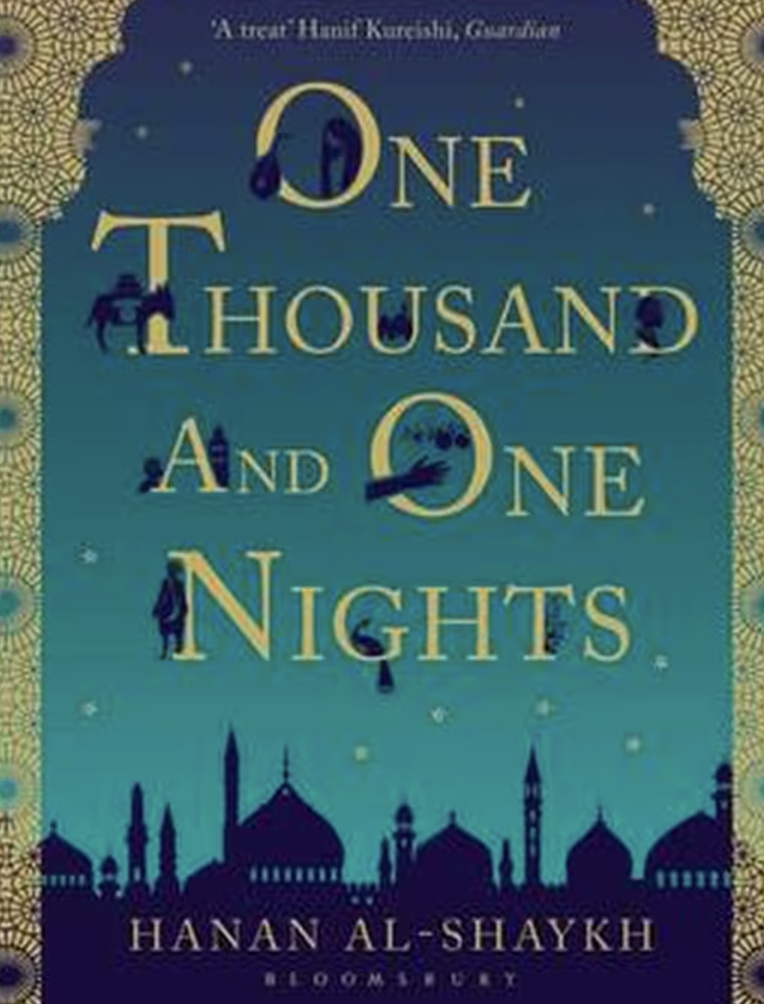
If you've ever wondered where flying carpets, genie-filled lamps, or clever queens saving their own lives through storytelling originated, you're already brushing up against the legacy of One Thousand and One Nights. Sometimes known as Arabian Nights, this sprawling anthology of tales gathered across centuries is one of the most influential works in the history of storytelling.
This is a book that changed literature—not by being a traditional “book,” but by becoming a cultural treasure chest. Its stories have inspired countless writers, filmmakers, folklorists, and dreamers. Walt Disney owes it a fruit basket. So does the fantasy genre as a whole. Reading it is a journey into myth, morality, adventure, desire, and the power of words themselves—a reminder that stories can literally save lives (or at least buy time).
2. About the Author
Here’s the twist: there is no single author. One Thousand and One Nights is a layered collection of tales from Persia, India, the Middle East, and North Africa, compiled, translated, reinterpreted, and embellished over centuries.
Notable contributors and influences include:
-
Persian storytellers and folklorists
-
Arabic scholars and scribes
-
Later European translators (notably Antoine Galland), who added now-famous tales like Aladdin
The collection reflects the cultural exchanges of ancient trade routes, Islamic Golden Age scholarship, and oral storytelling traditions.
Fun/controversial fact: Many beloved stories—Aladdin, Ali Baba, Sinbad—were likely not in the original Arabic manuscripts, and were added during European translations. So the book you think you know may be the literary equivalent of a “remix.”
3. Story Overview
While the collection contains hundreds of stories, the narrative frame ties them together through the tale of Shahrazad (also spelled Scheherazade), whose storytelling becomes an act of survival.
A. The Queen Who Outsmarts Death
At the heart of the Nights is the story of King Shahryar, who—after betrayal—decides to marry a new woman every day and execute her the next morning. Enter Shahrazad, who volunteers to marry him. Her plan? Tell him a captivating story each night and end on a cliffhanger—think ancient binge-watching. Her life depends on narrative suspense.
B. Aladdin and the Lamp of Limitless Wishes
In one of the most famous tales (even though it was probably added later), a young, poor dreamer discovers a magical lamp containing a genie who grants wishes. Themes include destiny, greed, and the universal fantasy of “what if everything suddenly went right?” Spoiler: wishes complicate things—some tropes never age.
C. Ali Baba and the Forty Thieves
This is a story of wealth, theft, and the original “open sesame” password. Ali Baba discovers a secret treasure trove belonging to a band of thieves. What follows is tension, trickery, and a clever servant woman who repeatedly saves the day. A reminder that underestimating women in this collection is a recurring mistake.
D. The Seven Voyages of Sinbad
Part adventure saga, part philosophical travel diary, Sinbad encounters monsters, giant birds, mysterious islands that turn out to be whales (we’ve all been there), and existential questions about luck and fate. These voyages explore ambition, risk, and the cost of exploration.
E. The Endless Thread of Stories
Across all the tales—romance, tragedy, humor, magic, moral lessons, and political cautionary tales—we feel the pulse of cultures in conversation. The true protagonist is not Aladdin or Sinbad—it is storytelling itself.
4. Key Takeaways
-
Stories shape survival and identity. Shahrazad’s life depends on narrative—reminding us that stories hold power, influence, and agency.
-
Human desires haven’t changed much. Wealth, love, adventure, fairness, and recognition—these themes remain timeless.
-
Cultures evolve through exchange. The Nights reflects centuries of cultural blending, proving creativity thrives through diversity.
-
Magic is metaphor. Whether genies or enchanted voyages, the fantastical reveals truths about fear, ambition, and morality.
-
Humor and wisdom coexist. Even in tales of danger and death, playfulness and wit shine—life is complex, and the Nights embraces that.
5. Why This Book Is a Must Read
One Thousand and One Nights earns its place in any 100 Books You Must Read list because it is both a foundational literary work and a celebration of imagination itself. Its stories shaped the development of fantasy, folklore, and narrative structure across continents. It remains relevant for readers interested in cultural history, myth, storytelling craft, and human psychology. Most importantly, it reminds us that stories connect, heal, teach, and transform—sometimes even more effectively than swords or laws. Reading it is not just literary exploration—it’s participation in centuries of global storytelling tradition.

