PHP 8.5 is Here: Property Hooks, Lazy Objects, and HTML5
PHP is moving faster than ever. If you are still writing code like it's 2020, you are missing out on features that drastically reduce boilerplate and improve performance.
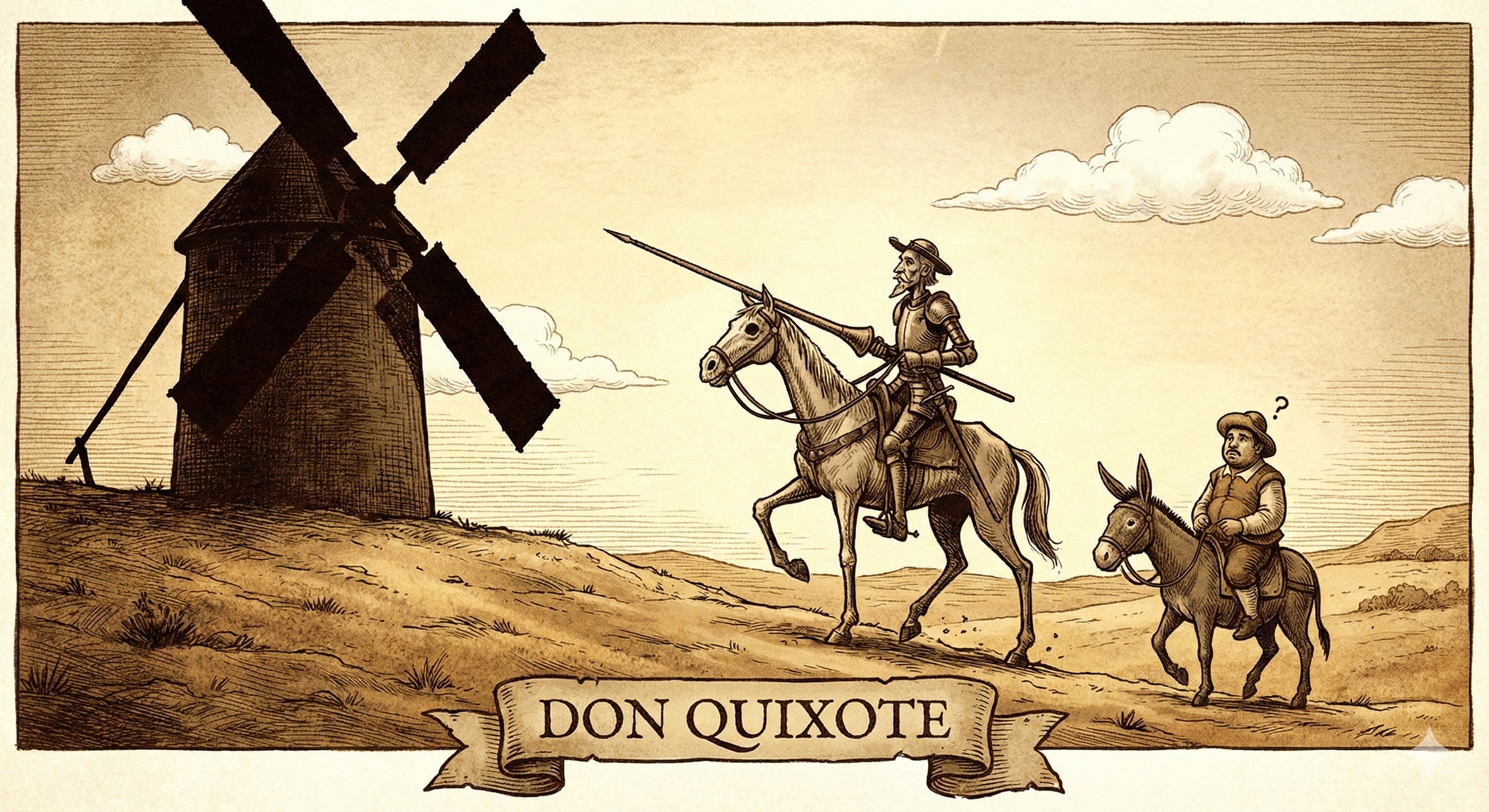
The First Modern Novel: Why You Must Read Don Quixote
If you have ever used the phrase "tilting at windmills" or described someone as "quixotic," you have Miguel de Cervantes to thank. Published in two parts (1605 and 1615), Don Quixote is widely considered the first modern novel and, by many accounts, the greatest work of fiction ever written.
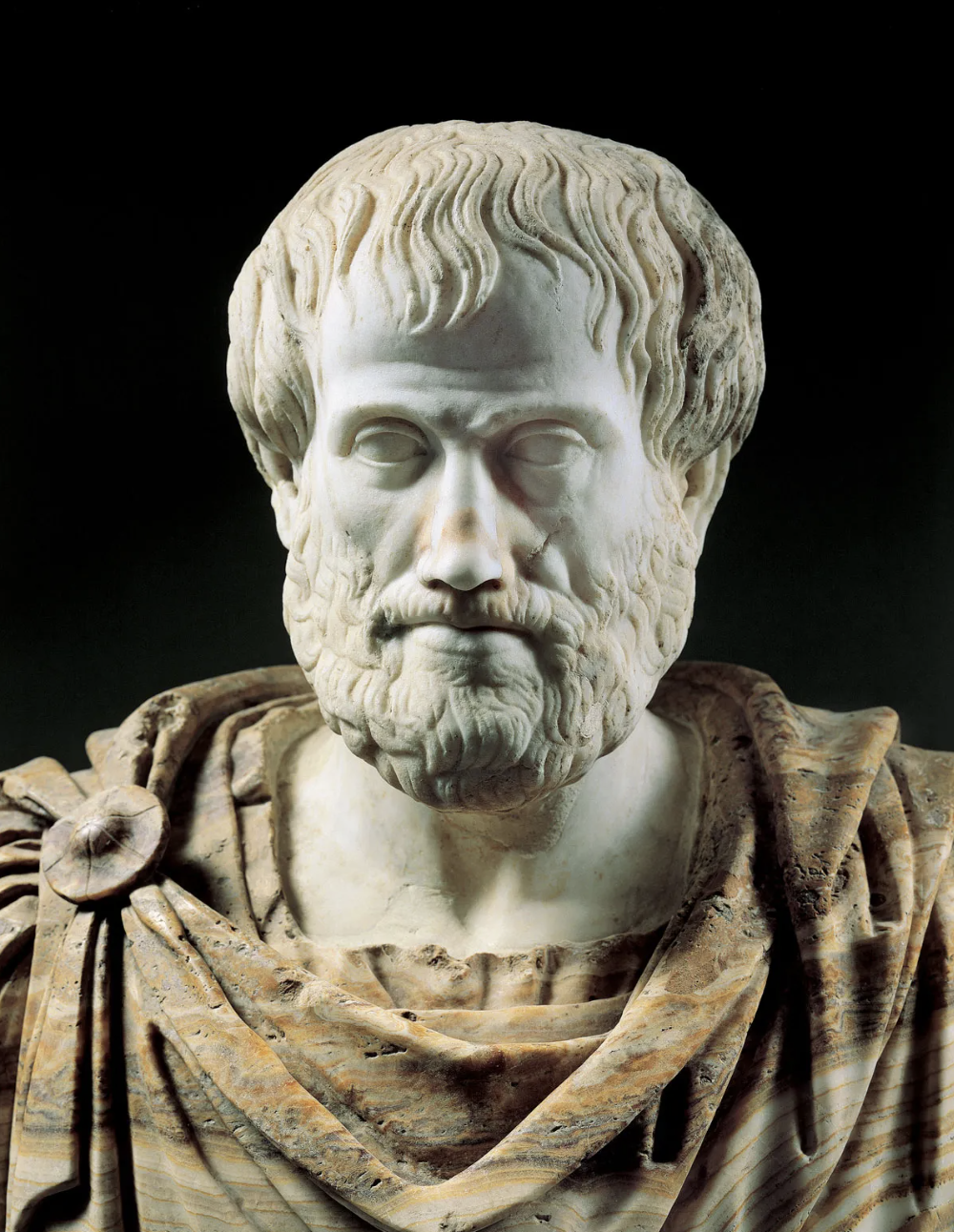
Aristotle — The Art of Living with Balance
Turning ideals into action: lessons from the philosopher of life itself Imagine walking into a vast garden, perfectly designed—flowers blooming in harmony, paths flowing gracefully, sunlight illuminating every corner. Every plant, every stone, every bird seems in its right place. This is the world Aristotle invites us into: a world where life is an art, and happiness is a skill we can learn.
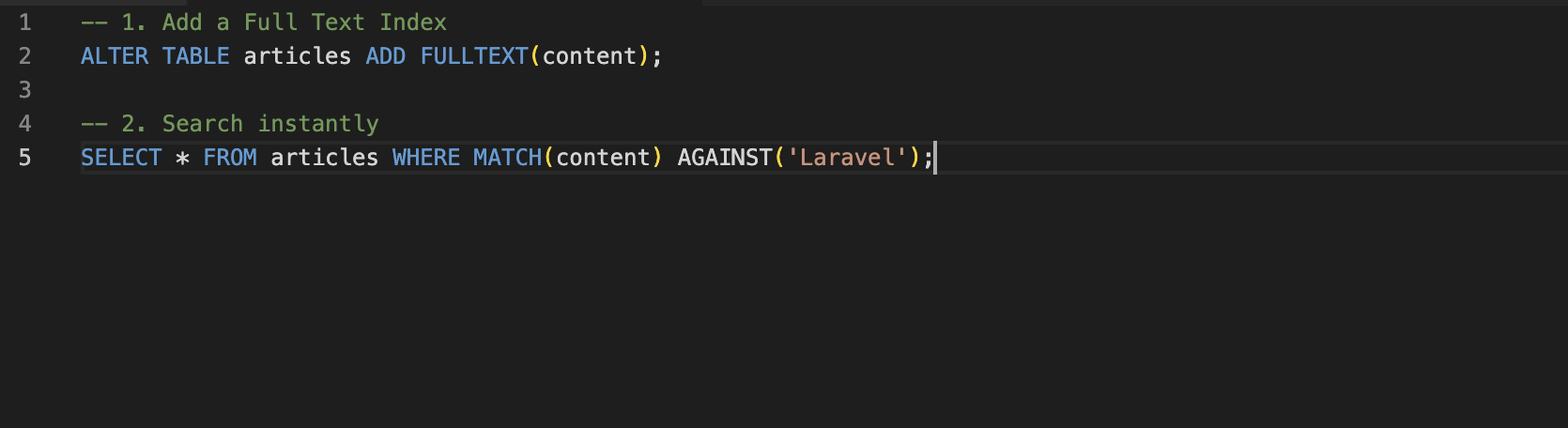
Stop Using LIKE '%...%' for Search Category: Database / MySQL
Searching is a core feature of almost every app. The first instinct is often to use the LIKE operator with wildcards.
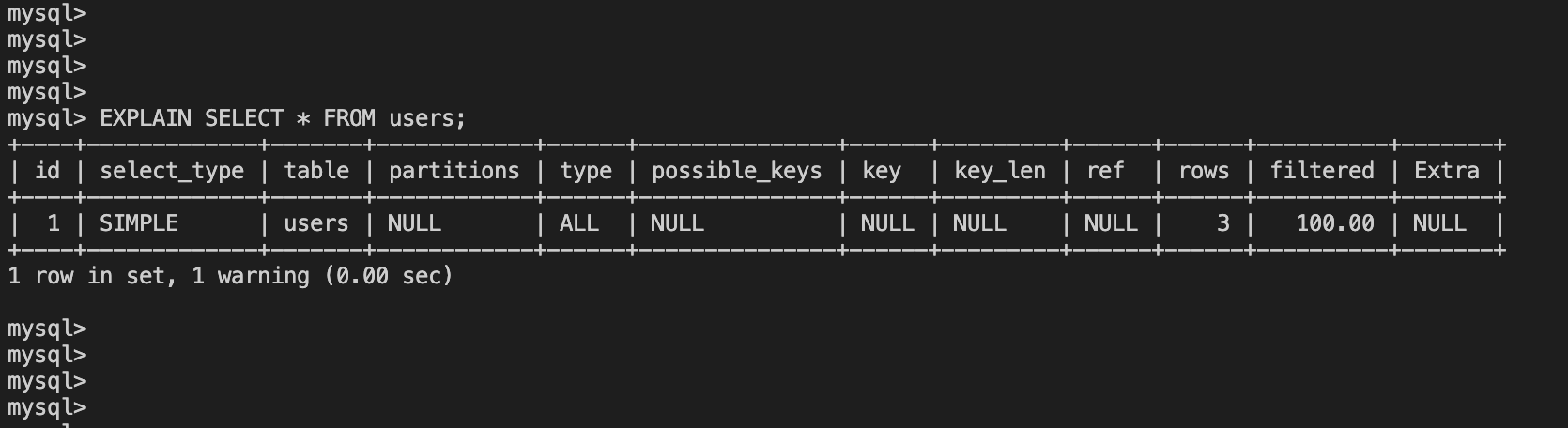
Why is Your Query Slow? A 60-Second Guide to EXPLAIN
You have a query that takes 3 seconds to run. Why? Guessing doesn't work. MySQL tells you exactly what it is doing if you ask it.

Poems by Paul Celan
Paul Celan’s Poems is not just a book—it’s an emotional tremor bound between covers. Known for its sparse brilliance, linguistic innovation, and unforgettable emotional weight, this collection remains one of the most significant works of post-war European poetry. Celan writes as someone who has witnessed the unthinkable and insists on speaking, even in fractured, minimalist whispers.
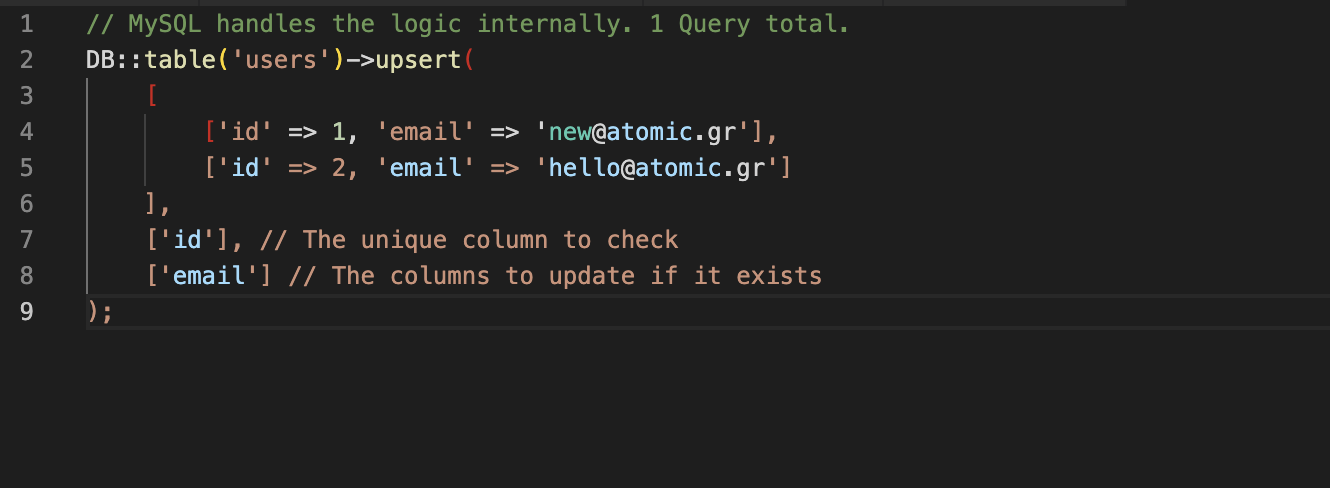
"Upsert" Trick: Syncing Data Without the "If Exists" Loop
When syncing data from an external API (like updating product prices or user details), developers often write logic like this:
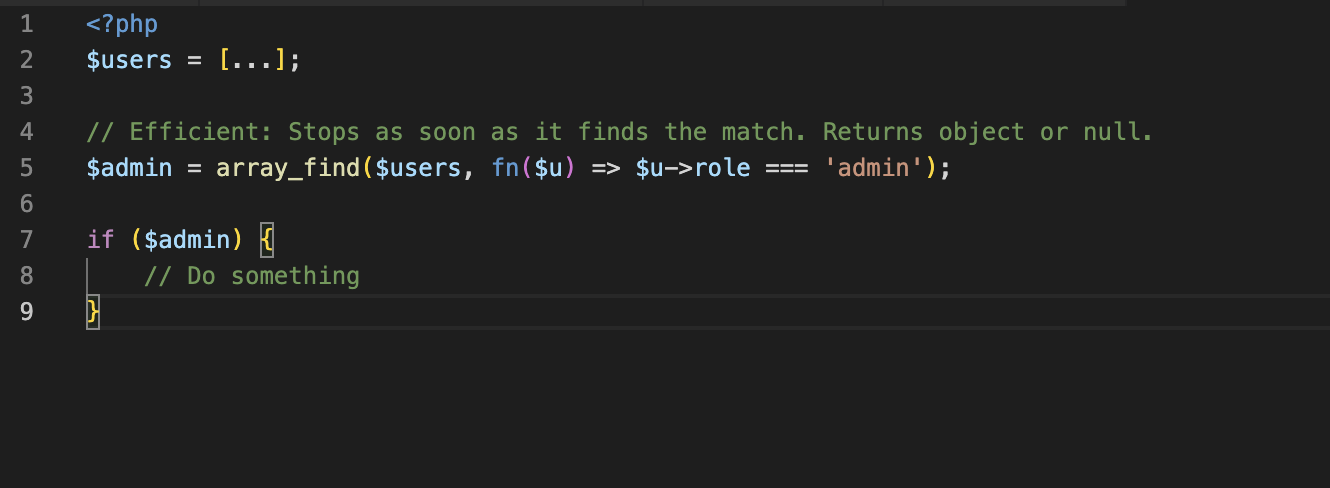
Stop Using array_filter to Find One Item
How often do you need to find just the first matching item in an array? Historically, developers used array_filter (which loops through everything) and then grabbed the reset() or current() item. It was messy and inefficient.
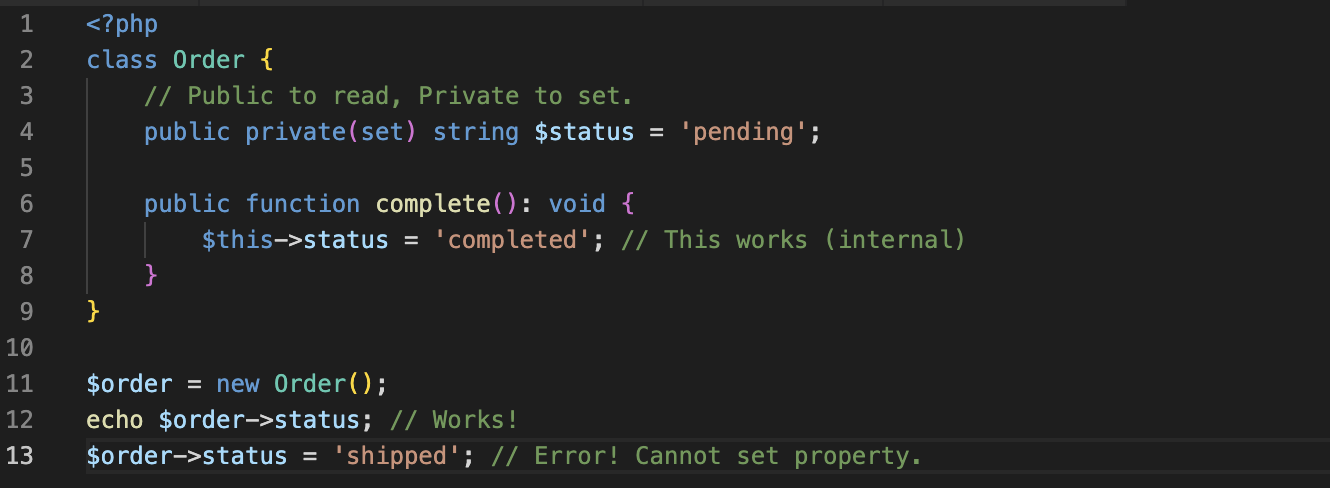
Asymmetric Visibility: The "Read-Only" Solution We Needed
One of the most common requirements in Object-Oriented Programming is: "I want everyone to be able to read this status, but only the class itself should be able to change it."
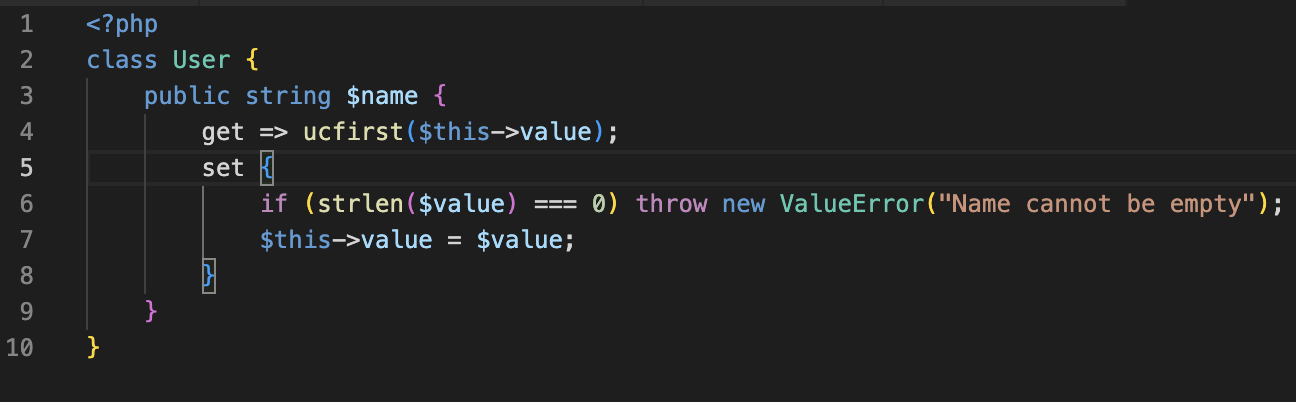
Goodbye Boilerplate: Using Property Hooks in Modern PHP
For over a decade, PHP developers have written the same boring code: a private property, a getX() method, and a setX() method. It clutters your classes and makes them hard to read.
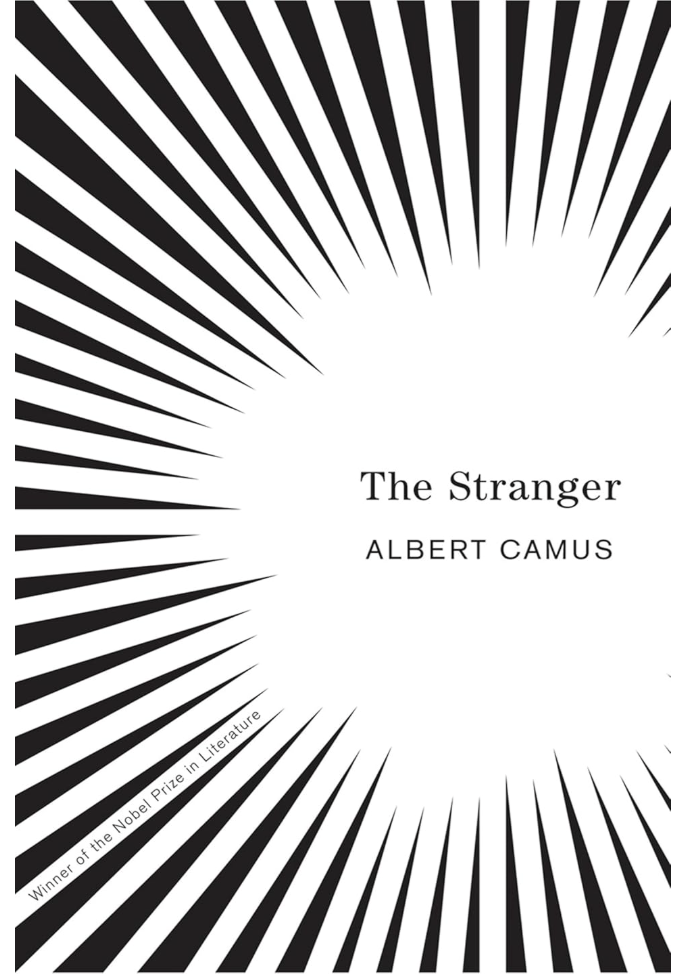
The Stranger by Albert Camus
Albert Camus’s The Stranger is one of those rare books that manages to be both startlingly simple and unsettlingly profound. With its cool, detached narrator and stark reflections on the meaning (or meaninglessness) of life, the novel has become a landmark in modern literature. It’s a slim book—you can read it in an afternoon—but it lingers in your mind for years, poking at your assumptions, your emotions, and maybe even your existential comfort zone.

Wuthering Heights by Emily Brontë
Few novels sweep readers into a storm of emotion quite like Emily Brontë’s Wuthering Heights—a book that arrives with thunder, leaves with lightning, and somehow manages to remain irresistibly magnetic after nearly two centuries. Equal parts Gothic drama, psychological portrait, and meditation on love at its most destructive, this 1847 classic has secured its place as one of literature’s most haunting works.
Explore by Category
Find articles that interest you
Challenge Your Mind
Take a break from reading and test your logic skills with our daily puzzle!
Can you solve today's puzzle? Test your deductive skills!
Daily Number Path
Find the only valid path through a 4×4 grid. Quick daily brain teaser!
Can you solve today's number puzzle? Follow the +1/-1 rule!
Explore where technology meets intellect. From technical tutorials to intellectual exploration—stay curious and inspired.
About Our Blog
Explore where technology meets intellect. From technical tutorials to intellectual exploration—stay curious and inspired.
Stay Curious. Stay Inspired.
Join our community of thinkers, developers, and lifelong learners. Explore ideas that challenge, inspire, and empower you to think differently.



Ⓒ 2026. All rights reserved by atomic