
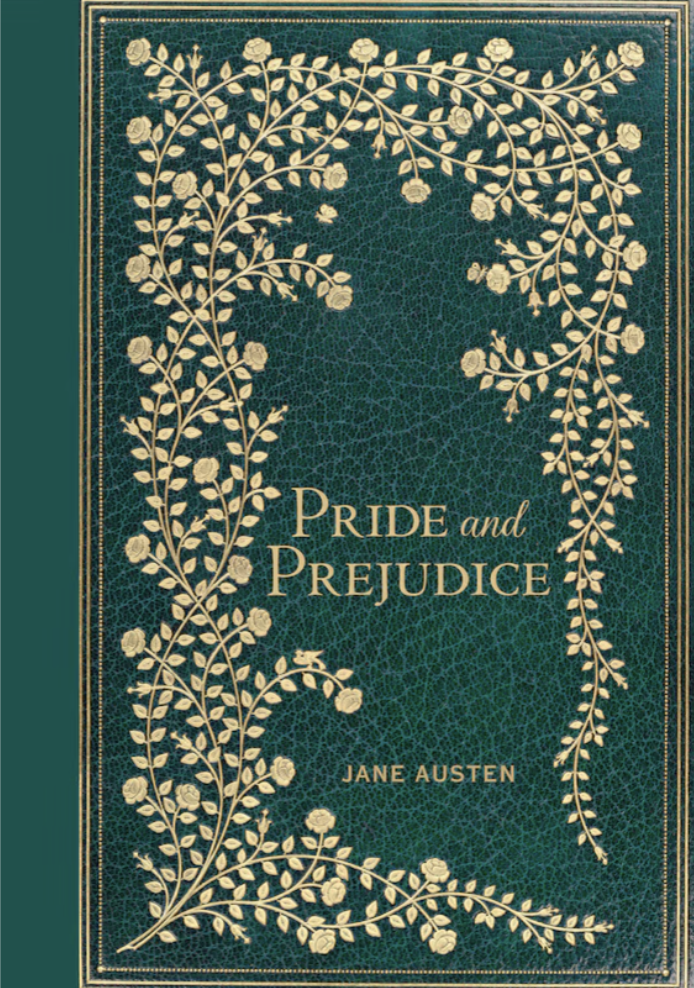
Pride and Prejudice by Jane Austen
Theodoros Kafantaris
Published on November 29, 2025
1. Introduction
Few novels have danced through the centuries with quite the same charm, wit, and cultural staying power as Jane Austen’s Pride and Prejudice. First published in 1813, it continues to enchant readers with its sparkling dialogue, razor-sharp social commentary, and enduring romance. This is the book that gave us one of literature’s most beloved couples—Elizabeth Bennet and Mr. Darcy—and introduced generations to the intricate ballet of manners, marriage, and misunderstandings in Regency England.
Beyond being a delightful read, Pride and Prejudice has influenced everything from modern rom-coms to academic debates about class, gender, and social expectation. It’s not just a novel—it’s a cultural touchstone that still feels surprisingly fresh.
2. About the Author
Jane Austen (1775–1817) remains one of the most influential voices in English literature. Living during a time when women had limited legal and financial autonomy, she crafted stories that quietly—but boldly—examined society, marriage, economic pressure, and individual agency.
Her major works include Sense and Sensibility, Emma, Mansfield Park, Northanger Abbey, and Persuasion. Across them all, Austen’s signature style shines: crisp wit, realistic heroines, beautifully structured plots, and a talent for exposing social absurdity with laser precision.
Interesting fact: For much of her life, Austen published anonymously—her books were originally credited only to “A Lady.” It wasn’t until after her death that her identity became publicly attached to her novels.
3. Story Overview
The novel opens in the Bennet household, where the five Bennet sisters—Jane, Elizabeth, Mary, Kitty, and Lydia—live with their parents in rural Hertfordshire. The arrival of the wealthy and eligible Mr. Bingley at nearby Netherfield Park sets the neighborhood abuzz, especially for Mrs. Bennet, whose primary goal is to see her daughters married well. At a local ball, Bingley is immediately drawn to the gentle Jane, while his friend, the proud and reserved Mr. Darcy, offends Elizabeth by refusing to dance with her, famously declaring her “tolerable, but not handsome enough to tempt me.” This initial encounter plants the seeds of mutual prejudice and pride that will drive the narrative.
As the story unfolds, Elizabeth’s sharp wit and independence clash repeatedly with Darcy’s aristocratic aloofness. Meanwhile, a charming militia officer, Mr. Wickham, captivates Elizabeth with a fabricated tale of Darcy’s cruelty, deepening her dislike. The plot thickens when Darcy, despite his reservations, finds himself falling in love with Elizabeth. In a disastrous proposal, he confesses his love while insulting her family’s inferior social standing. Elizabeth rejects him vehemently, accusing him of ruining Jane’s happiness and mistreating Wickham. Darcy’s subsequent letter reveals the truth: Wickham is a scoundrel who attempted to elope with Darcy’s young sister, and Darcy’s interference in Jane and Bingley’s romance was based on a genuine (though mistaken) belief that Jane did not return Bingley’s affection.
This revelation forces Elizabeth to confront her own prejudices and misjudgments. The second half of the novel traces her journey of self-awareness and Darcy’s quiet transformation. When Lydia, the youngest Bennet, elopes with Wickham, Darcy secretly intervenes to force Wickham to marry her, saving the Bennet family from disgrace. His actions, performed without expectation of gratitude, reveal his true integrity. Elizabeth’s feelings evolve from resentment to admiration, and a second, more humble proposal from Darcy is joyfully accepted. The novel concludes with the marriages of Jane and Bingley, and Elizabeth and Darcy, celebrating love founded on mutual respect, growth, and understanding.
Thematically, Pride and Prejudice explores the dangers of first impressions, the interplay between pride and prejudice, the constraints of social class, and the importance of self-knowledge. Austen’s narrative structure masterfully balances irony, humor, and moral insight, making the novel both entertaining and profound. Elizabeth Bennet stands as one of literature’s first fully realized heroines—intelligent, spirited, and flawed—while Darcy’s arc from arrogance to humility remains a model of character development. The novel’s enduring appeal lies in its universal truths about love, growth, and the folly of judging others too quickly.
4. Key Takeaways
- First impressions can mislead. Austen shows how initial judgments—positive or negative—are often incomplete and can cloud true understanding.
- Personal growth fuels true partnership. Both Elizabeth and Darcy must overcome their flaws before they can build a healthy, equal relationship.
- Social norms shape relationships. Class expectations and economic realities deeply influence the characters’ choices and conflicts.
- Integrity matters more than reputation. Characters like Darcy reveal their true worth through private actions, not public performance.
- Wit is a powerful tool. Elizabeth’s intelligence and humor help her navigate—and challenge—the constraints of her time.
5. Why This Book Is a Must Read
Pride and Prejudice earns its place in the “100 Books You Must Read” series because it is timeless, insightful, and surprisingly modern in its portrayal of relationships and self-discovery. Jane Austen’s exploration of love, class, and personal growth continues to resonate across centuries, cultures, and genres. Whether you’re reading it for its humor, its romance, or its sharp social commentary, this is a novel that rewards readers again and again. Its influence on literature and popular culture is immeasurable, and its characters feel as real and relevant today as they did in 1813.


