
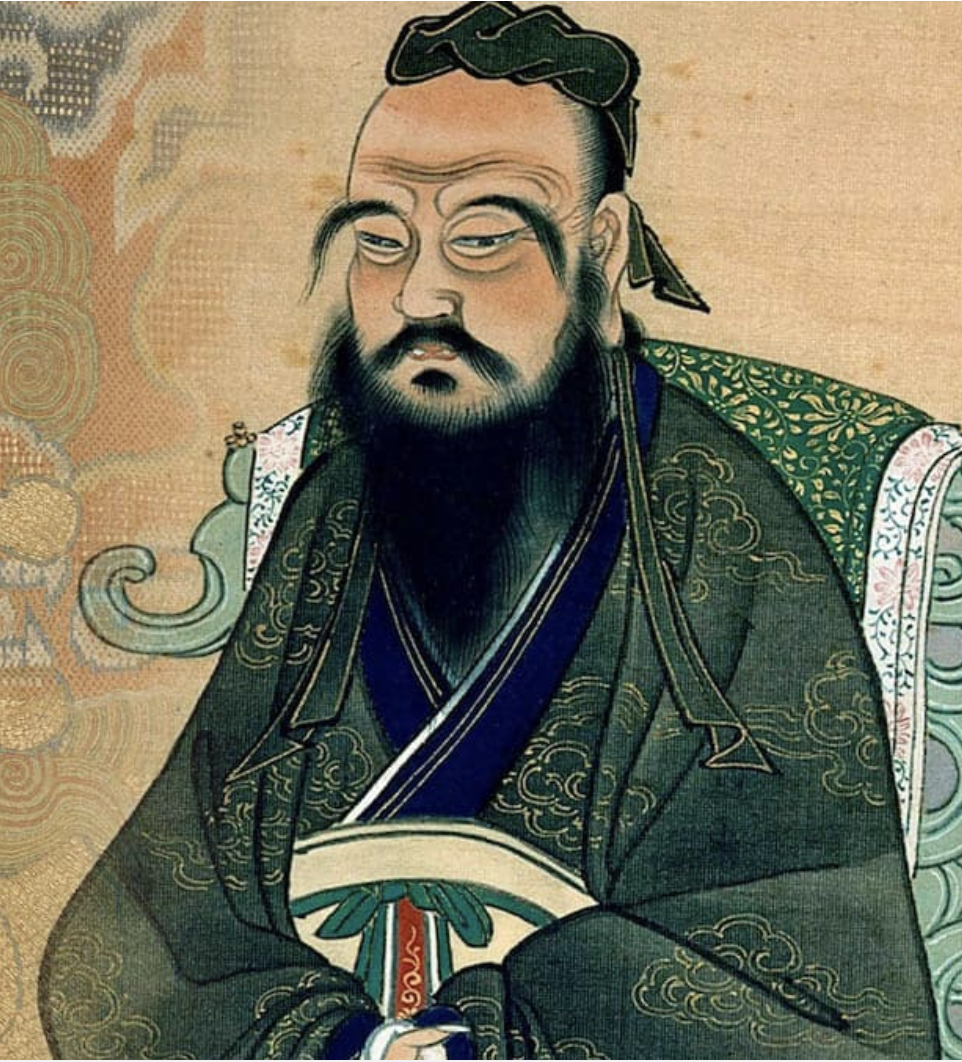
Confucius — Harmony in Relationships and Society
Theodoros Kafantaris
Published on December 15, 2025
Lessons from the sage whose wisdom shaped a civilization
Imagine a society where respect, kindness, and learning were not just ideals, but the very foundation of daily life. Imagine a man wandering through villages, speaking quietly, yet leaving a legacy that would influence millions for thousands of years. This man was Confucius, a philosopher whose ideas continue to guide people toward harmony, morality, and meaningful living.
The Life of the Teacher
Confucius was born in 551 BCE in the state of Lu (modern-day China). His family faced poverty and hardship, yet from a young age, he valued learning, integrity, and self-discipline.
As he grew, Confucius became a teacher, traveling from town to town, advising rulers and guiding ordinary people. He never sought power for himself; he sought to create a better society through virtue and wisdom.
Confucius’ life reminds us that influence is not measured by titles or wealth, but by the impact of your values and teachings on others.
Core Ideas of Confucius
Confucius’ philosophy may seem simple at first glance, but it is profound and practical. At its heart is the idea that human relationships are the key to a harmonious life.
1. Ren — Humaneness
Ren is often translated as “benevolence” or “compassion.” It’s the idea of caring genuinely for others, treating people with respect, and acting with empathy in daily life.
2. Li — Ritual and Respect
Li refers to manners, customs, and rituals, but not in a rigid sense. For Confucius, these are ways to express respect and maintain harmony in family, community, and society.
3. Xiao — Filial Piety
Confucius emphasized respect for parents and ancestors, seeing strong family bonds as the foundation of a moral and stable society.
4. The Gentleman (Junzi)
A true person is one who cultivates virtue, acts with integrity, and strives to improve themselves continuously. Confucius believed that self-cultivation is the path to social harmony.
The Analects — Conversations That Transcend Time
Confucius’ ideas survive in The Analects, a collection of his sayings and dialogues with students.
One powerful image is that of the teacher guiding students not by command, but by example and conversation. Confucius believed that education was a moral journey, not just a transfer of knowledge.
Why Confucius Matters Today
Confucius’ teachings remain deeply relevant in modern life:
-
Relationships: Compassion and respect improve our connections with family, friends, and colleagues.
-
Leadership: Leaders who prioritize virtue, fairness, and ethical behavior inspire trust and loyalty.
-
Personal Growth: Cultivating patience, humility, and moral integrity strengthens character.
-
Community: Harmony is achieved when individuals act responsibly and ethically toward one another.
In a world often dominated by self-interest, greed, and impatience, Confucius’ wisdom reminds us that lasting happiness and stability arise from kindness and balance.
Bringing Confucius Into Your Life
Even without living in ancient China, you can practice Confucian wisdom:
⭐ 1. Cultivate compassion
Small acts of kindness and understanding ripple outward.
⭐ 2. Honor relationships
Listen actively, show gratitude, and respect others’ feelings and roles.
⭐ 3. Follow thoughtful rituals
Simple habits—like greeting someone warmly or expressing appreciation—strengthen bonds.
⭐ 4. Commit to lifelong learning
Confucius said, “Isn’t it a pleasure to study and practice what you have learned?” Make personal growth a daily habit.
⭐ 5. Lead by example
Whether at home, work, or in the community, your actions teach more than your words.
An Inspirational Takeaway
Confucius teaches that harmony begins within and spreads outward. By nurturing virtue in ourselves, respecting others, and practicing empathy, we contribute to a society where relationships, work, and life flow gracefully together.
In short: personal integrity shapes collective well-being. Your choices matter—not just for you, but for everyone around you.
A Quote to Reflect On
“Do not impose on others what you do not wish for yourself.”
— Confucius
A simple rule for life, yet powerful enough to transform your relationships and community.


