
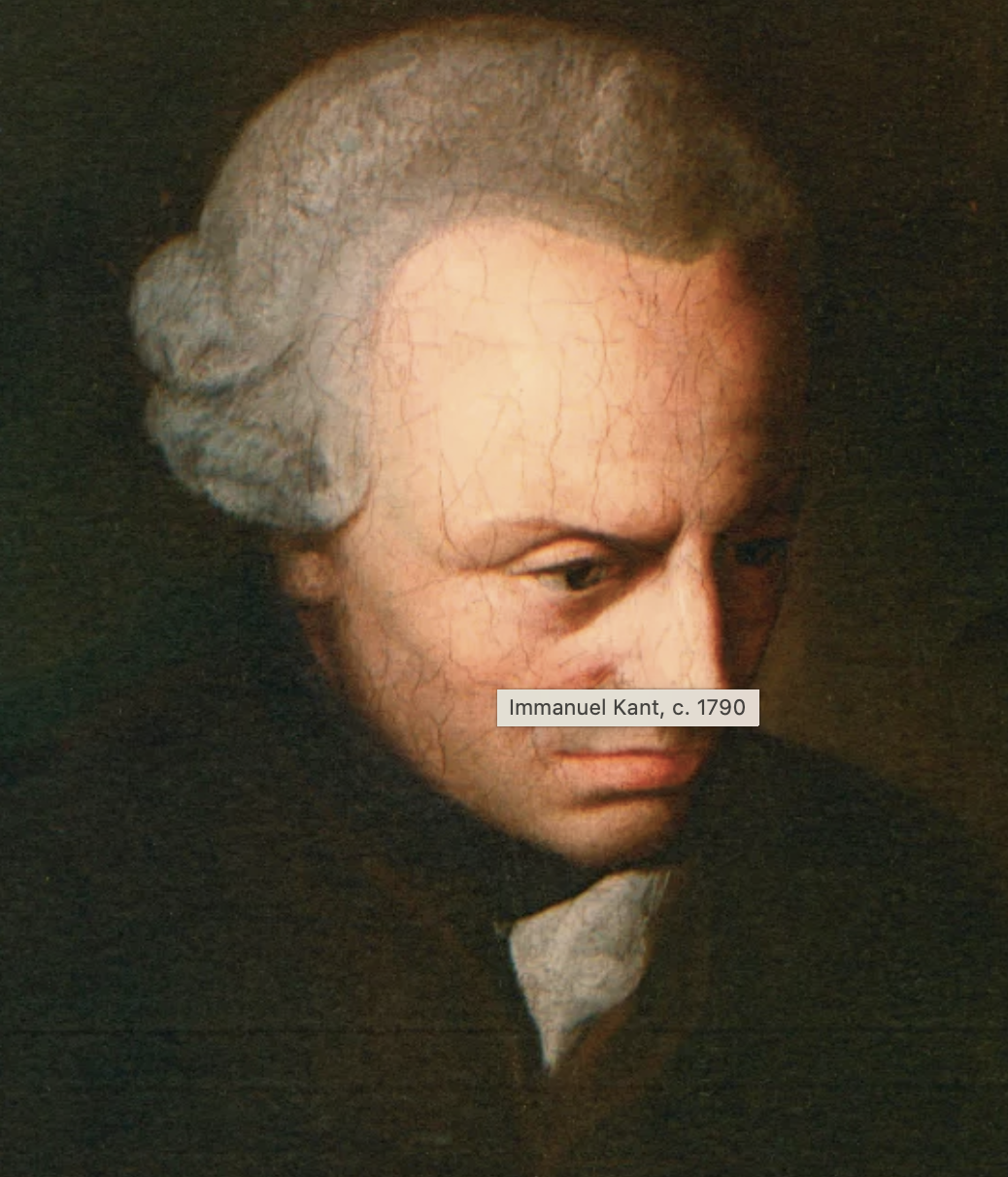
Immanuel Kant — Morality, Purpose, and the Enlightenment of the Mind
Theodoros Kafantaris
Published on January 05, 2026
The philosopher who taught that reason and integrity illuminate the path to a meaningful life
Imagine walking through a world full of conflicting opinions, moral uncertainty, and temptation. How do you know what is right? How do you act with integrity? These questions guided the life of Immanuel Kant, the 18th-century German philosopher whose ideas about reason, ethics, and human dignity continue to inspire generations.
Kant showed that morality is not just about following rules—it’s about living consciously, with purpose, and in harmony with reason.
The Life of the Philosopher
Immanuel Kant was born in 1724 in Königsberg, Prussia (now Kaliningrad, Russia). He lived a life of disciplined routine—walking the same paths, teaching at the university, and dedicating himself to study.
Kant’s genius was not flamboyance but clarity of thought. He sought to answer timeless questions: How should humans act? What is the foundation of morality? Can reason guide life toward purpose and justice?
His life reminds us that profound impact often comes from consistent reflection and dedication rather than fame or fortune.
Core Ideas of Kant
Kant’s philosophy is a bridge between thought and action, showing how reason can guide morality:
1. The Categorical Imperative
At the heart of Kant’s ethics is the principle:
“Act only according to that maxim whereby you can at the same time will that it should become a universal law.”
In simpler terms: act in ways that could be applied universally, without contradiction. If an action cannot be universalized, it is morally wrong. This teaches responsibility, fairness, and integrity in every choice.
2. Duty Over Consequence
Unlike philosophies that focus solely on outcomes, Kant emphasized duty and intention. Good actions are moral not because of results, but because they are chosen from principle.
3. Autonomy and Rationality
Kant believed humans have the capacity for rational self-governance. By using reason, individuals can determine moral laws for themselves, cultivating freedom that is disciplined by ethics.
4. The Enlightenment of the Mind
Kant famously encouraged humanity to “Sapere Aude” — Dare to know. Think for yourself, question authority, and cultivate understanding. Personal and societal progress arises from reason, not blind tradition.
Why Kant Matters Today
Kant’s philosophy offers guidance for modern life:
-
Ethical Decision-Making: Choose actions guided by principle, not convenience.
-
Personal Integrity: Align your actions with moral reasoning.
-
Critical Thinking: Question assumptions, seek truth, and think independently.
-
Purposeful Life: Morality and reason provide direction and meaning, even amid uncertainty.
In a complex world filled with ethical dilemmas, Kant’s work reminds us that reason and moral courage are our guides.
Bringing Kant Into Your Life
Even for beginners, Kant’s philosophy can inspire practical reflection:
⭐ 1. Evaluate your actions
Ask: “Would I want everyone to act this way?”
⭐ 2. Act with intention
Focus on the principles behind your actions, not just the outcomes.
⭐ 3. Cultivate autonomy
Think independently. Don’t follow opinions blindly—use reason to guide choices.
⭐ 4. Live with integrity
Consistency between values and actions builds trust, respect, and self-respect.
⭐ 5. Dare to know
Challenge assumptions, learn constantly, and seek understanding.
An Inspirational Takeaway
Immanuel Kant teaches that living ethically is both a privilege and a responsibility. Reason empowers freedom, and moral reflection gives purpose. Even small, principled actions ripple outward, shaping your life and the lives of others.
If Socrates gave us courage, Plato gave us vision, Aristotle gave us balance, Locke gave us freedom, and Descartes gave us clarity, Kant gives us a moral compass to navigate the complexity of life.
A Quote to Reflect On
“Act in such a way that you treat humanity, whether in your own person or in the person of any other, always at the same time as an end, and never merely as a means.”
— Immanuel Kant
A timeless reminder to honor the dignity of yourself and others.

